
The impact of the Middle East conflict is no longer confined to battlefields.
It is now being priced into the global economy.
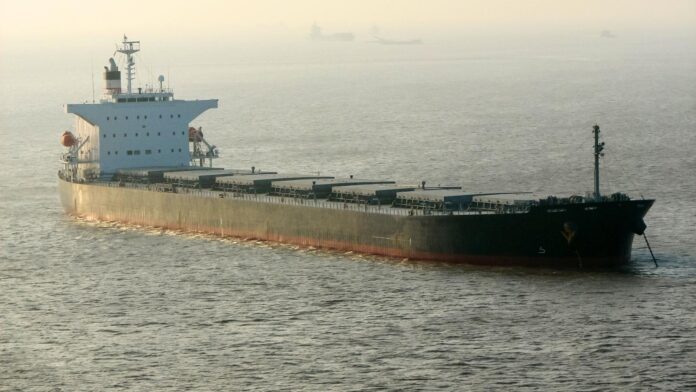
One of the clearest signals of this shift is the rapid increase in shipping insurance costs. War risk premiums for vessels operating in and around key Middle East routes have surged sharply, reflecting growing concern about security.
Shipping insurance is a forward-looking indicator. It does not react to damage alone. It reacts to the probability of damage.
When insurers raise premiums, they are signaling that risk has increased.
That signal is now being transmitted across global trade networks.
The Middle East sits at the center of several critical shipping routes. These include pathways for oil, gas and manufactured goods. Disruptions — or even the risk of disruption — can affect global supply chains.
Insurance is a key part of this system.
Without insurance, ships cannot operate.
As premiums rise:
- shipping becomes more expensive
- some routes become less viable
- companies consider alternative pathways
These adjustments come with costs.
Higher shipping costs feed into higher prices for goods. This contributes to inflation and reduces efficiency in global trade.
The current increase in premiums reflects multiple layers of risk:
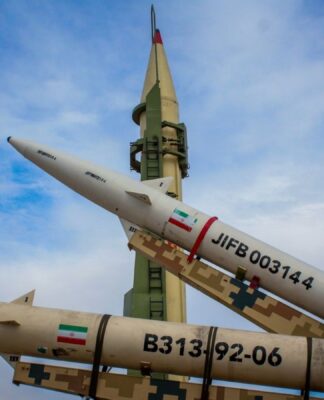
- potential missile or drone attacks
- naval activity in key chokepoints
- uncertainty about escalation
Each layer adds complexity.
Shipping companies are responding by adjusting routes, increasing security measures and reassessing exposure.
These changes can slow trade.
They can also create bottlenecks.
The situation is dynamic. If tensions ease, premiums may fall. If escalation continues, costs may rise further.
The key point is that the conflict is now affecting the economic infrastructure that supports global trade.
This is how regional conflicts become global economic events.
Not through direct damage alone, but through changes in risk perception.
The increase in shipping insurance costs is therefore not just a financial detail.
It is a signal.
A signal that the war is moving into systems that affect the entire world.