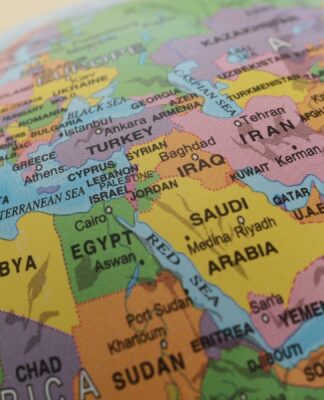
The impact of the Middle East conflict is no longer distant for the United States. It is being felt at home.
Rising oil prices, driven by geopolitical instability, are increasing fuel costs, shaping inflation trends and influencing policy decisions. What began as a foreign policy challenge is now becoming a domestic economic issue.
Energy Prices as a Transmission Mechanism
Oil prices are a key transmission channel between geopolitical events and domestic economies.
When oil prices rise:
- transportation costs increase
- production costs rise
- consumer prices follow
This creates inflation. In the US, where energy consumption is high, these effects are particularly pronounced.
Inflation Pressure Builds
Inflation has already been a central concern for policymakers. The conflict adds a new layer of complexity.
Higher energy prices can:
- delay disinflation trends
- complicate monetary policy
- reduce consumer purchasing power
This creates a policy dilemma.
Federal Reserve in a Tight Position
The Federal Reserve must balance:
- controlling inflation
- supporting economic growth
War-driven price increases make this balance more difficult. If inflation remains high, interest rates may need to stay elevated longer.
This affects:
- borrowing costs
- investment decisions
- housing markets
Political Implications
Economic pressure has political consequences. Rising fuel prices are highly visible. They affect daily life. This creates pressure on policymakers to respond.
Options include:
- strategic petroleum reserve releases
- diplomatic engagement to stabilize markets
- policy adjustments
Each option has trade-offs.
Consumer Impact
For consumers, the effects are direct. Higher fuel costs reduce disposable income.
This affects:
- spending patterns
- savings
- economic confidence
These changes can slow economic activity.
Why This Matters Globally
The US economy is central to the global system.
Changes in US policy affect:
- global markets
- currency dynamics
- international trade
This amplifies the impact of the conflict.
What Happens Next
Possible scenarios include:
1. Price Stabilization: Energy markets stabilize, reducing pressure.
2. Sustained Inflation: Prices remain high, affecting policy.
3. Economic Slowdown: Reduced spending impacts growth.
Conclusion
The war is no longer just a geopolitical issue for the United States. It is an economic one. And its impact is shaping decisions at the highest levels of policy.