
The escalating war involving Iran has triggered one of the most severe disruptions to global energy markets in decades, sending oil prices soaring and forcing governments, investors, and industries to brace for a prolonged period of economic volatility.
Energy analysts warn that the conflict is rapidly evolving into a global energy crisis as attacks on shipping routes and energy infrastructure reduce the flow of oil through some of the world’s most critical maritime corridors.
The effects are already being felt across international markets.
Oil prices have surged above $100 per barrel, while global stock markets have declined as investors react to the growing uncertainty surrounding energy supply.
Collapse of Oil Flows Through the Strait of Hormuz
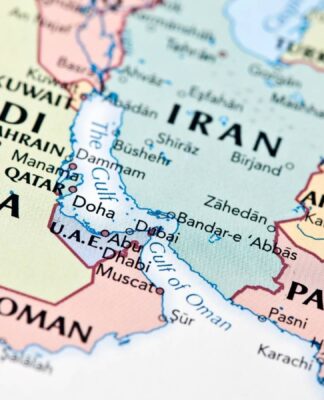
At the center of the crisis lies the Strait of Hormuz, a narrow waterway connecting the Persian Gulf to global markets.
The strait normally handles around one-fifth of the world’s oil shipments.
However, since the conflict escalated in late February, shipping through the corridor has slowed dramatically.
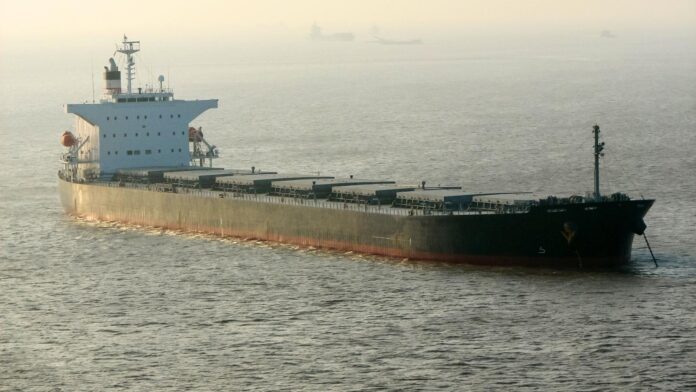
Analysts say oil flows through the strait have dropped sharply as tanker operators avoid the area due to missile attacks, drone strikes, and naval threats linked to the conflict.
Iranian officials have also warned that the strait could be completely blocked if the conflict continues to escalate, a scenario that would have enormous consequences for global energy supply.
Because alternative routes are limited, a sustained disruption could quickly tighten global oil supply.
Supply Shock Spreading Across the Gulf
The crisis is not limited to shipping routes alone.
Energy production across several Gulf countries has also been affected by the conflict.
Saudi Arabia has reportedly reduced oil output significantly after disruptions linked to the war, cutting production by roughly two million barrels per day.
Meanwhile, attacks on energy facilities across the region have further increased concerns about supply stability.
Even infrastructure that has avoided major damage has experienced temporary shutdowns as operators prioritize safety.
Analysts say the combination of shipping disruptions and production cuts could remove millions of barrels of oil from global markets.
Oil Prices Surge Above $100
The impact on oil markets has been immediate.
Energy traders have pushed prices above the $100-per-barrel level as fears grow that the conflict could severely limit supply.
Some financial institutions estimate that supply disruptions could reach more than ten million barrels per day if shipping restrictions continue.
That level of disruption would rival some of the most severe energy shocks in modern history.
Higher oil prices are already affecting fuel costs around the world.
In the United States, gasoline prices are climbing rapidly, while airlines, shipping companies, and manufacturers face rising operating expenses.
Global Economic Consequences
Energy shocks rarely remain confined to oil markets.
Because energy is a fundamental input across the global economy, higher oil prices tend to ripple through multiple sectors.
Transportation costs increase, manufacturing becomes more expensive, and food prices often rise due to higher fertilizer and logistics costs.
Financial markets also react quickly.
Global stock markets have declined as investors factor in the risk of higher inflation and slower economic growth.
Economists warn that prolonged energy disruptions could significantly alter economic forecasts for the year.
Governments Scramble to Stabilize Markets
Governments around the world are now attempting to limit the economic fallout.
Several countries have begun releasing oil from strategic petroleum reserves in an effort to stabilize supply and calm markets.
The United States has also temporarily eased some restrictions on Russian oil shipments to allow additional supply to reach global markets.
These measures may provide short-term relief, but analysts caution that they cannot fully compensate for large disruptions in Middle Eastern oil exports.
If the conflict continues to affect the Strait of Hormuz, the global energy system could face prolonged instability.
Why This Crisis Is Different
While energy markets have experienced disruptions before, analysts say the current situation is unusual because it combines several risk factors at once.
The conflict involves multiple regional actors, key shipping routes, and some of the world’s largest energy exporters.
At the same time, attacks on energy infrastructure — including refineries and gas facilities — have raised concerns about broader supply interruptions.
The result is a level of uncertainty that financial markets rarely encounter.
Energy analysts say the crisis could rival previous historical shocks such as the oil embargoes of the 1970s if disruptions continue.
What Happens Next
The future trajectory of global energy markets now depends largely on developments in the Middle East.
If diplomatic efforts succeed in reducing tensions and restoring shipping through the Strait of Hormuz, oil supply could stabilize and prices might gradually decline.
However, if the conflict escalates further or shipping disruptions worsen, the world could face a prolonged energy crisis with far-reaching economic consequences.
For now, governments, energy companies, and financial markets remain focused on the same critical question: whether one of the world’s most important energy corridors can remain open during a rapidly escalating geopolitical conflict.