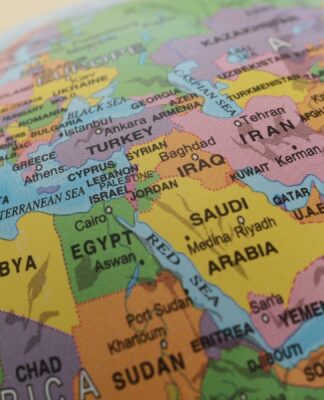

A major escalation in the Middle East conflict is now affecting one of the most critical arteries of the global energy system.
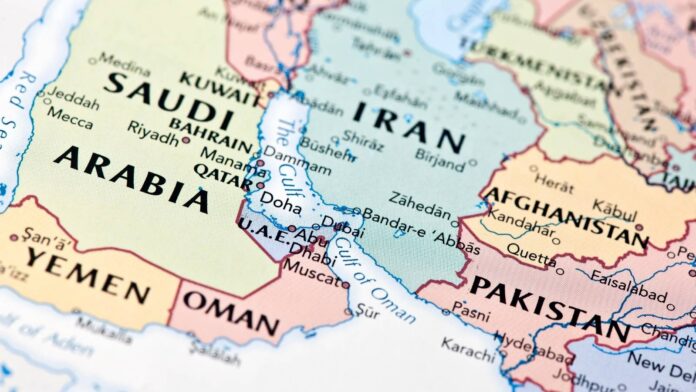
Shipping traffic through the Strait of Hormuz — the narrow waterway connecting the Persian Gulf to global markets — has slowed significantly as the ongoing Iran war creates new risks for commercial vessels.
Energy markets and governments around the world are watching the situation closely, as disruptions to the route could trigger wider economic consequences.
What Happened
The current crisis stems from a rapidly expanding regional conflict involving Iran and Western-aligned forces.
Recent military strikes targeting Iranian infrastructure triggered retaliatory actions across the Persian Gulf, raising fears that maritime traffic could be caught in the crossfire.
The Strait of Hormuz has become a focal point of concern.
Naval experts warn that the heavily militarized waterway now presents a heightened risk for commercial shipping due to the presence of drones, missiles, naval mines, and patrol vessels.
Insurance premiums for ships traveling through the area have surged, and tanker traffic has slowed as operators evaluate the risks.
Why the Strait of Hormuz Matters
The strategic importance of the strait cannot be overstated.
The narrow passage handles a massive portion of global energy shipments.
Oil tankers from major producers — including Saudi Arabia, Iraq, Kuwait, and the United Arab Emirates — rely on the route to reach global markets.
Any sustained disruption could quickly affect:
- Global oil supply
- Energy prices
- Industrial production
- Shipping costs
Energy analysts say the situation represents one of the most serious threats to maritime energy transport in years.
Energy Markets React
The immediate effect has been visible in global markets.
Oil prices have surged toward the $100 per barrel level, reflecting concerns that supply disruptions could worsen if the conflict spreads.
Natural gas markets are also reacting as energy infrastructure across the region faces new risks.
Traders say markets are increasingly pricing in the possibility of prolonged instability.
A Wider Global Economic Risk
Energy disruptions rarely remain confined to the energy sector.
Higher oil prices can ripple across the global economy by increasing transportation costs and fueling inflation.
Industries that depend heavily on fuel — such as shipping, aviation, and manufacturing — often feel the effects first.
Developing economies that rely on imported energy may face particularly strong pressure if prices continue to rise.
Expert Insight
Security analysts say the situation represents a classic geopolitical chokepoint crisis.
The Strait of Hormuz has long been considered one of the world’s most vulnerable strategic corridors.
Even limited military activity in the area can disrupt global energy flows.
Some analysts warn that restoring normal shipping operations may require coordinated international naval escorts if the conflict continues.
What Happens Next
Several governments are now exploring diplomatic and military options to stabilize the region.
French President Emmanuel Macron has proposed an international effort to eventually reopen safe shipping lanes once conditions allow.
However, naval experts warn that sending commercial vessels through the area while the conflict remains active would be extremely dangerous.
For now, shipping companies, energy markets, and governments are preparing for continued volatility.
The coming weeks may determine whether the disruption becomes a temporary shock — or the beginning of a deeper global energy crisis.