
In one of the most significant escalations in Middle East conflict this decade, US and Israeli forces launched coordinated strikes on multiple targets in Iran, including military bases, air defenses and alleged command centers in Tehran and other provinces.
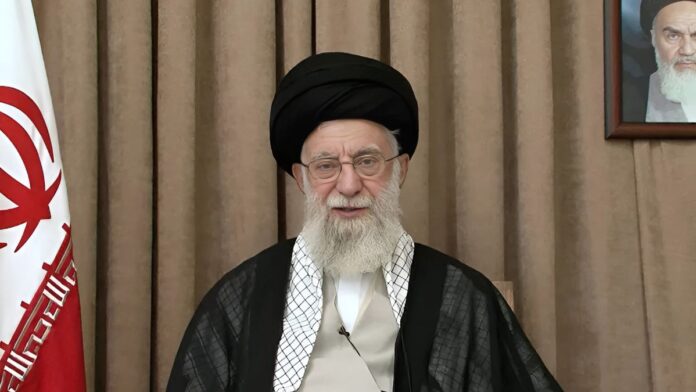
High-profile statements from Israeli leaders have suggested “many signs” that Supreme Leader Ayatollah Ali Khamenei may have been killed, though independent confirmation is not yet available.
Israel’s Prime Minister Benjamin Netanyahu publicly stated that intelligence assessments show indications of Khamenei’s death, while US President Donald Trump also echoed that the reports may be “correct.” Trump added that the campaign could either be extended longer or concluded within days, reflecting strategic uncertainty.
Additionally, military sources reported that the head of the Iranian Revolutionary Guard Corps (IRGC), Mohammad Pakpour, was killed in separate strikes, signaling a targeted approach against Iran’s top security leadership.
Confirmed Civilian Casualties and Broader Hits
In the southern Iranian city of Minab, at least 40 people — including dozens of girl students — were killed in a school strike linked to the operations, according to local authorities and verified news reports.
These civilian casualties represent the first confirmed non-combatant deaths attributed to the offensive and have already drawn international condemnation from humanitarian groups and foreign governments emphasizing protection of children and non-combatants under international law.
What the United States and Israel Say
The Pentagon’s Central Command (CENTCOM) confirmed that operations — dubbed Operation Epic Fury — focused on dismantling IRGC infrastructure, missile launch sites and air defense systems. Officials characterized the strikes as preemptive and defensive, claiming intercepted intelligence indicating plans for imminent attacks on US and allied assets.
Trump, in interviews with media outlets, said US forces acted to prevent direct threats to American troops and regional partners. “If we allow those forces to strike first, we risk catastrophic regional war,” he said, framing the offensive as a necessary measure to secure stability.
Regional Reactions and Impact
Arab Gulf States: Several countries in the Gulf — including Bahrain, Kuwait and the UAE — reported explosions near US military installations. Civilians in urban centers also reported air raid sirens and evacuations near major population zones.
Airspace Closures: Airports in Dubai, Abu Dhabi and Doha temporarily closed or diverted flights due to heightened tensions and missile warnings — stranding passengers throughout the Middle East and creating cascading travel disruptions globally.
Governments have issued advisories urging citizens to avoid travel to the region and to follow official safety instructions as diplomatic channels work to prevent further escalation.
Iran’s Response and Vows
Tehran has condemned the strikes as acts of aggression and violations of sovereignty, asserting that any such attacks will be met with retaliatory measures targeting strategic assets. Though official Iranian state media has not confirmed Khamenei’s death, separate senior clerical sources have called on the population to stand firm and resist foreign aggression.
Analysts say these developments could further polarize the region and spur additional proxy engagements — risking wider conflict beyond the current battlefield.
International Legal and Diplomatic Reactions
The United Nations and several world powers have urged immediate de-escalation, while calling for independent investigations into reported civilian casualties, especially the Minab school deaths. Human Rights Watch and other advocates have emphasized that strikes coring in populated areas must adhere to strict international humanitarian norms.
Why It Matters
Leadership uncertainty: Reports about Khamenei’s status could destabilize Iran’s internal power structure and create unpredictability in diplomatic channels.
Regional domino effect: Attacks on foreign bases in the Gulf amplify risk to civilian infrastructure and air travel.
Global alliances tested: The US and Israel’s joint operation raises questions about broader NATO or allied involvement if escalation continues.
What Comes Next
Experts identify several signals to track:
- Official Iranian confirmation or denial of leadership casualties
- Responses from Russia, China and EU regarding conflict escalation
- Movements of naval and air forces in the Persian Gulf and Red Sea
- Humanitarian corridor announcements and refugee movement data
Takeaway:
The US-Israel joint military offensive against Iran represents a major escalation in Middle East conflict, with unverified but serious claims regarding leadership casualties and first civilian deaths — setting the stage for a potentially broader geopolitical crisis.