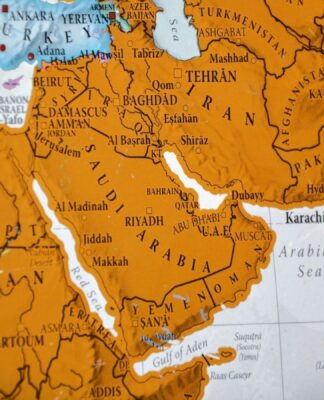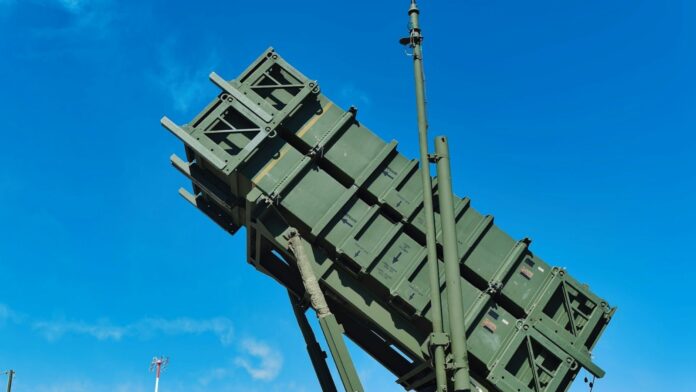

Kuwait has activated its air defense systems after detecting incoming missile and drone threats, marking a significant escalation in the ongoing Middle East conflict and signaling a widening geographic footprint of hostilities.
According to live developments, Kuwaiti forces successfully intercepted multiple aerial threats targeting its territory, preventing potential damage while placing the country on heightened alert.
This development represents one of the clearest indications yet that the conflict is expanding beyond its primary zones.
What Happened
In the latest escalation:
- Kuwaiti military systems intercepted incoming missiles and drones
- National defense protocols were activated immediately
- Airspace monitoring across the Gulf intensified
- Regional militaries moved into heightened readiness
While attribution remains cautious, the broader conflict environment suggests coordination among Iran-aligned actors operating across multiple fronts.
Why It Matters
This incident marks a structural shift in the conflict.
Key implications:
- Expansion of conflict into previously stable Gulf states
- Increased risk to critical energy infrastructure
- Threats to civilian aviation routes
- Higher probability of multinational military involvement
Kuwait’s strategic importance amplifies the seriousness of the situation.
Context: From Containment to Expansion
Until recently, the conflict remained largely concentrated within defined zones. However, recent developments indicate a transition:
- From localized conflict → regional spillover
- From controlled escalation → multi-front risk
The activation of air defenses in Kuwait reflects this transition clearly.
Expert Insight
Security analysts view such incidents as a precursor to broader escalation phases.
They note:
- Missile interceptions often signal testing of regional defenses
- They increase the likelihood of retaliatory cycles
- They complicate diplomatic containment efforts
What Happens Next
Immediate risks include:
- Further cross-border attacks
- Increased defensive deployments across Gulf states
- Escalation into coordinated regional conflict
The situation remains highly fluid.