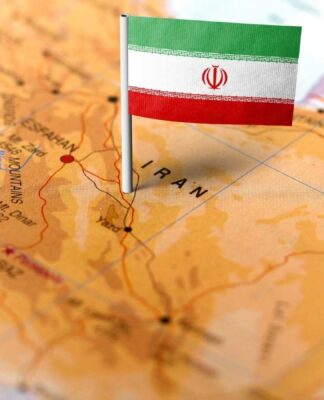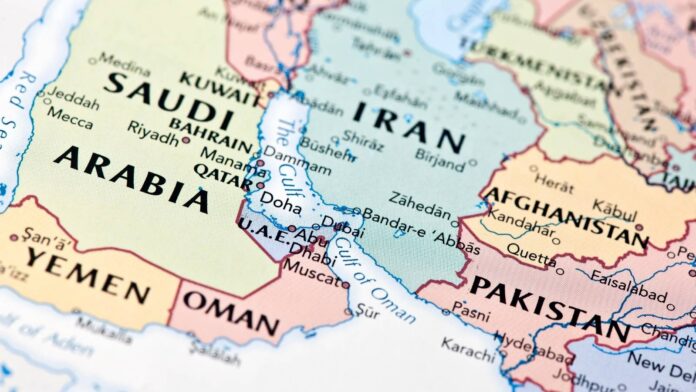

Few waterways in the world carry as much strategic importance as the Strait of Hormuz. This narrow maritime corridor, located between Iran and Oman, connects the Persian Gulf to the Gulf of Oman and the wider global ocean system. Despite its relatively small geographic size, the strait plays an outsized role in the global energy economy.
Roughly one-fifth of the world’s oil supply passes through this corridor every day. Tankers transporting crude oil and petroleum products from major Middle Eastern producers rely on the strait to reach global markets in Asia, Europe, and beyond. Because so much energy supply flows through this single passage, disruptions in the region can rapidly affect global oil prices, shipping networks, and economic stability.
Recent geopolitical tensions in the Middle East have once again highlighted the vulnerability of this critical maritime route.
A Strategic Gateway for Global Energy
The Strait of Hormuz functions as the primary export gateway for several of the world’s largest oil-producing countries. Nations including Saudi Arabia, Iraq, Kuwait, the United Arab Emirates, and Iran depend heavily on the strait to transport their energy exports to international markets.
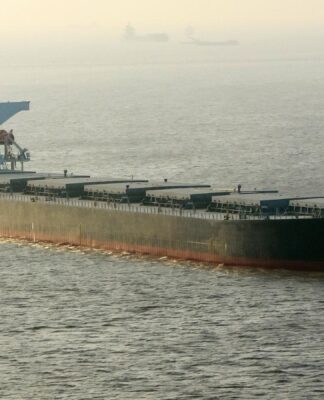
Every day, dozens of massive oil tankers travel through the corridor carrying millions of barrels of crude oil. Liquefied natural gas shipments also pass through the strait, particularly from Qatar, one of the world’s largest LNG exporters.
Because global energy demand remains heavily dependent on oil and gas, the uninterrupted operation of this route is critical for maintaining stable supply across the global economy.
Even a short disruption can have immediate consequences.
Geography That Creates Vulnerability
Part of what makes the Strait of Hormuz so strategically sensitive is its geography.
At its narrowest point, the strait is only about 33 kilometers wide. The shipping lanes themselves are even narrower, divided into inbound and outbound corridors that are only a few kilometers across.
This tight passage creates a natural bottleneck. Large tankers traveling through the region have limited room to maneuver, making them more vulnerable to accidents, blockages, or potential military activity.
Because alternative routes are extremely limited, any disruption in the strait can quickly slow the flow of energy exports.
In practical terms, the geography means that global energy supply is heavily dependent on the stability of a single maritime corridor.
A Long History of Tensions
The Strait of Hormuz has been a geopolitical flashpoint for decades.
During the Iran-Iraq War in the 1980s, the region experienced what became known as the “Tanker War,” when commercial oil tankers were targeted during the conflict. The attacks raised fears that the strait could be blocked, which would have severely disrupted global energy supplies.
More recently, tensions between Iran and Western powers have periodically led to confrontations involving naval patrols, commercial vessels, and military deployments.
These incidents underscore the fragility of maritime security in the region.
Whenever tensions rise, shipping companies, insurers, and energy traders closely monitor developments in the strait.
Impact on Global Oil Prices
Because such a large share of the world’s oil moves through the Strait of Hormuz, markets tend to react quickly when risks emerge in the region.
Oil prices are highly sensitive to supply disruptions. Even the possibility of restricted tanker traffic can cause prices to surge as traders anticipate potential shortages.
Higher oil prices can then ripple through the broader global economy.
Energy costs influence transportation, manufacturing, agriculture, and electricity generation. As a result, disruptions in oil supply often translate into higher consumer prices and inflationary pressure.
Financial markets also respond to instability in the region, as investors adjust expectations for economic growth and energy supply.
Shipping and Maritime Security
Protecting the Strait of Hormuz has become a major priority for global maritime security.
Several countries maintain naval forces in the region to ensure the safe passage of commercial vessels. These patrols aim to deter attacks on shipping and maintain open sea lanes.
Commercial shipping companies also adopt additional security measures when tensions rise. These may include rerouting vessels, increasing onboard security protocols, or coordinating closely with naval escorts.
Insurance costs for ships traveling through high-risk zones can rise significantly during periods of instability, increasing the overall cost of maritime trade.
Limited Alternative Routes
One of the key reasons the Strait of Hormuz remains so strategically important is the lack of viable alternatives.
Some Gulf countries have invested in pipeline infrastructure that allows oil to bypass the strait by transporting crude to ports located outside the Persian Gulf.
However, these alternative routes can only carry a limited portion of total export volumes.
The majority of regional oil exports still depend on tanker shipments through the strait.
This structural dependence means that the global energy system remains highly sensitive to developments in the region.
Global Economic Consequences
The strategic importance of the Strait of Hormuz extends far beyond the Middle East.
Countries around the world depend on stable energy supplies to sustain industrial production, transportation networks, and economic growth.
Major importers of Middle Eastern oil include:
- China
- India
- Japan
- South Korea
- several European economies
Disruptions in the strait therefore have immediate international implications.
When energy supply becomes uncertain, governments, central banks, and energy companies must adapt quickly to maintain economic stability.
What Happens Next
The future stability of the Strait of Hormuz will depend largely on the broader geopolitical environment in the Middle East.
Diplomatic efforts, regional security arrangements, and naval cooperation all play roles in maintaining safe shipping conditions.
At the same time, global energy markets are gradually evolving. Some countries are investing in renewable energy sources and diversifying supply chains to reduce dependence on single energy corridors.
Despite these long-term shifts, the Strait of Hormuz remains central to the global energy system today.
As long as large volumes of oil continue to flow through this narrow passage, the strait will remain one of the most closely watched maritime chokepoints in the world — a place where regional tensions can quickly become global economic events.