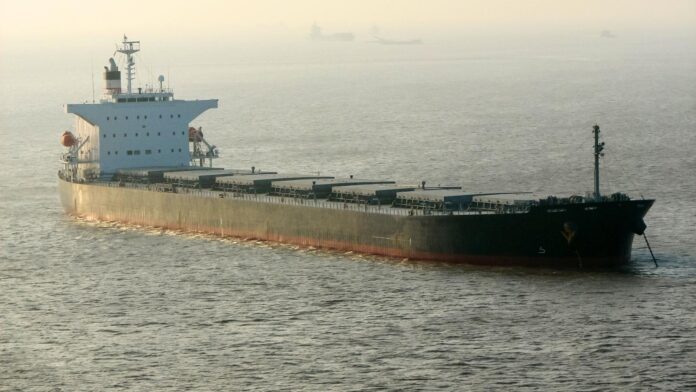

The Middle East conflict is expanding into one of the most critical systems in the global economy: shipping.
In the latest development, Yemen’s Houthi movement has signaled readiness to join the conflict, raising the risk of disruption to key maritime routes.
This is not just a regional concern.
It is a global one.
Why Shipping Matters More Than Ever
Global trade depends on maritime routes.
A significant share of:
- oil
- gas
- commodities
moves through narrow chokepoints.
When these routes are threatened, the impact is immediate.
The Bab al-Mandab Risk
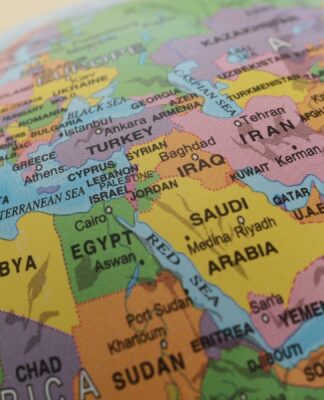
One of the key areas at risk is the Bab al-Mandab Strait.
It connects the Red Sea to global trade routes.
Disruption here can:
- delay shipments
- increase costs
- reduce supply
The Hormuz Factor
At the same time, the Strait of Hormuz is already under pressure.
It handles a large share of global oil flow.
Blockages or restrictions can have major consequences.
The Economics of Disruption
Shipping disruptions affect:
- energy prices
- supply chains
- inflation
Even the risk of disruption can move markets.
Markets Are Already Reacting
Oil prices have surged sharply in response to escalating tensions, reflecting fears of supply disruption.
This shows how quickly markets respond.
A Multi-Layered Threat
The threat is not just physical.
It includes:
- missile attacks
- drone strikes
- insurance costs
- rerouting delays
Each layer adds complexity.
What Happens Next
If the Houthis enter the conflict:
- shipping routes could face sustained disruption
- costs could rise significantly
- global trade could slow
Conclusion
The war is moving beyond land and air.
It is entering the arteries of the global economy.
And that changes everything.