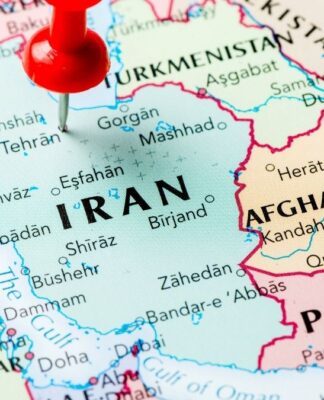

Iran has concluded a secret arms agreement with Russia valued at around €500 million (approximately $585 million), under which Tehran will acquire thousands of advanced shoulder-fired missiles, according to a Financial Times report citing unnamed diplomatic and industry sources.
Shoulder-fired missiles are considered portable, infantry-level surface-to-air systems that can threaten low-flying aircraft like helicopters and fixed-wing close air support jets — and can also be used against other battlefield targets.
What the Deal Involves
According to the FT reporting, the deal covers:
- A large quantity of advanced shoulder-fired missile systems
- Training and logistic support packages
- Potential future collaboration on related defence technologies
Neither the Russian nor Iranian governments have publicly confirmed the deal.
Strategic Context
The reported missile acquisition comes amid heightened tensions over Iran’s nuclear negotiations and regional posture. Supporters of the deal argue that it strengthens Iran’s conventional deterrent capabilities. Critics warn that bolstering Iran’s air-defence footprint could destabilise neighbouring states and complicate Western military planning in the region.
Moscow faces its own security challenges, particularly its decade-long conflict in Ukraine, which has spurred Russia to diversify arms sales and forge deeper defence ties with non-Western partners. Tehran, likewise, seeks to modernize elements of its defence systems amid ongoing diplomatic pressure and sanctions.
Why This Matters
1. Regional military balance: Portable air-defence systems can shift tactical calculations in combat zones, potentially lowering the threshold for provocation or escalation.
2. Western strategic interests: The United States and its allies monitor arms transfers closely — especially those that might enable combatants to challenge Western air assets.
3. Russia-Iran diplomacy: Arms deals are often signals of geopolitical alignment in opposition to Western pressure, and may influence broader negotiations or sanctions considerations.
Expert Commentary
Defence analysts point out that shoulder-fired systems are not game-changers on their own, but in aggregate quantities and when paired with training and integration into existing forces, they pose real tactical challenges.
Middle East security expert Dr. Layla Haddad told LoudFact, “It’s not just hardware — it’s about messaging. Iran sourcing weapons from Russia communicates a shared strategic posture that complicates diplomatic pathways.”
What We Do and Don’t Know
Known:
- A report based on credible diplomatic sources indicates the deal exists.
- The systems involved are advanced and portable.
Unknown:
- The precise delivery timeline.
- Whether this deal has broader conditional tie-ins beyond the initial weapons packages.
- Official confirmation from either government.
What Comes Next
Observers will watch:
- Whether Russian or Iranian officials publicly address or deny the report.
- Satellite or trade data indicating weapons movements.
- Statements from U.S. defence and diplomatic officials.
Takeaway
If confirmed, the reported Iran–Russia arms deal represents a significant development in Cold War-era arms trading patterns — one with consequences for Middle Eastern security and Western strategic planning.