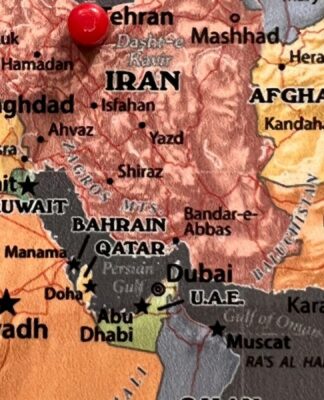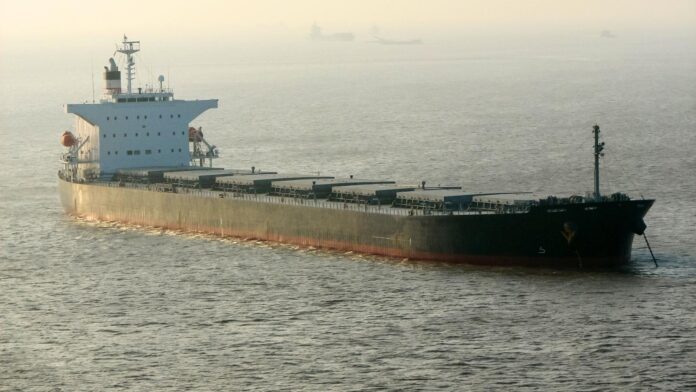

Global energy supply chains are beginning to shift as the escalating Middle East conflict threatens traditional oil trade routes.
Russia is preparing to redirect crude oil shipments toward India to offset potential supply disruptions from the Gulf region.
Industry sources say millions of barrels of Russian oil are already positioned near Asian waters and could reach Indian refineries within weeks.
The development highlights how geopolitical crises can quickly reshape global energy flows.
What Happened
Energy traders and shipping data indicate that Russian crude shipments may increase toward India as the Middle East crisis intensifies.
Approximately 9.5 million barrels of Russian crude are currently located near Asian shipping routes and could be redirected to Indian buyers.
The move reflects growing uncertainty around oil supplies from the Persian Gulf.
Energy companies and governments are increasingly seeking alternative supply routes to maintain stability in global markets.
Why India Matters in Global Oil Trade
India is the world’s third-largest oil importer.
Its rapidly expanding economy requires massive energy supplies to support:
- transportation networks
- industrial production
- electricity generation
Over the past several years, India has become one of the largest buyers of discounted Russian crude following Western sanctions on Moscow.
The shift has already reshaped global oil trade patterns.
Energy Markets Under Pressure
The Middle East crisis is creating uncertainty across several key areas:
- tanker traffic through the Strait of Hormuz
- refinery supply chains
- insurance costs for shipping
- global energy prices
When major supply routes face risk, markets often respond quickly with price volatility.
Analysts say the possibility of alternative supply routes, including Russian shipments, may help cushion the global energy market.
Strategic Implications
The redirection of oil flows could have broader geopolitical implications.
Russia’s ability to supply Asian markets strengthens its position as a major energy exporter.
Meanwhile, India gains flexibility by diversifying its sources of crude oil.
However, the shift may also complicate international diplomacy surrounding energy sanctions and geopolitical alliances.
What Next
Energy markets are likely to remain volatile while the Middle East conflict continues.
Key factors to watch include:
- tanker movements through the Persian Gulf
- production decisions by major exporters
- global demand trends
For now, the reconfiguration of oil trade flows is another reminder that geopolitical crises can rapidly reshape the global energy system.