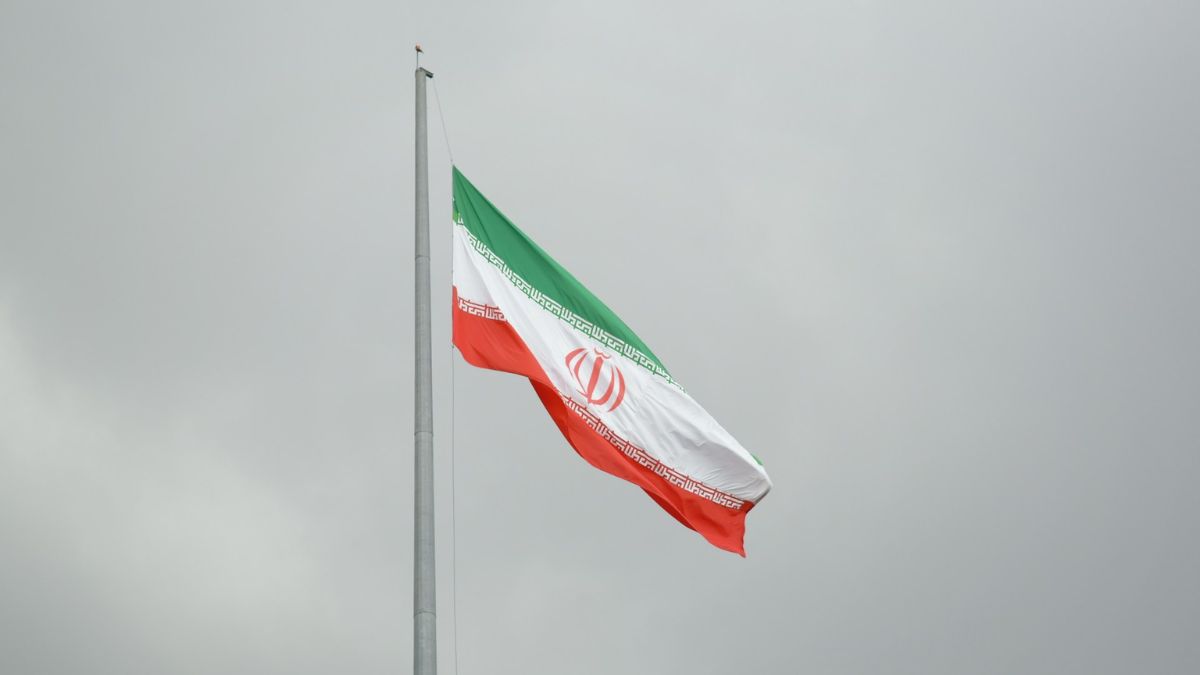
Global energy markets are experiencing their sharpest shock in months as escalating conflict involving Iran threatens one of the world’s most important oil shipping routes.
Oil prices surged roughly 5% in recent trading, reaching their highest levels since mid-2024, as fears grow that the widening conflict could disrupt supply through the Strait of Hormuz.
The narrow waterway connects the Persian Gulf with global shipping lanes and carries a major share of the world’s oil exports.
When military tensions rise in this region, the ripple effects can reach every major economy on earth.
What Happened
Over the past 24 hours, markets reacted strongly to reports of intensifying military activity and disruptions to maritime traffic near the Strait of Hormuz.
Key developments include:
- rising missile and drone attacks linked to the regional conflict
- tanker movements slowing near Gulf shipping lanes
- increased military deployments around key maritime routes
These developments have triggered a sharp increase in energy market volatility.
Brent crude climbed to roughly $85 per barrel, while U.S. benchmark crude reached above $80, reflecting concerns that supply flows could be affected.
Why the Strait of Hormuz Matters
The Strait of Hormuz is widely regarded as the most critical energy chokepoint in the global economy.
Every day, enormous volumes of energy resources pass through the corridor, including:
- crude oil shipments
- liquefied natural gas
- refined petroleum products
About 20% of the world’s oil supply moves through the strait, making it a crucial link in the global energy system.
Even minor disruptions can have outsized effects on prices and supply chains.
Impact on Global Markets
Energy markets are often the first to react to geopolitical instability.
Higher oil prices can quickly translate into:
- increased transportation costs
- higher electricity prices
- rising manufacturing expenses
- renewed inflation pressures
Financial markets have also responded cautiously.
Investors are increasingly shifting toward commodities and other assets that historically perform well during geopolitical crises.
Inflation Risks
Rising energy prices can feed directly into consumer inflation.
When fuel costs increase, the effects spread across multiple sectors of the economy, including:
- agriculture
- logistics
- aviation
- retail supply chains
Economists warn that prolonged energy price spikes could complicate efforts by central banks to stabilize inflation globally.
What Next
Energy analysts are closely watching several indicators in the coming days:
- tanker traffic near the Strait of Hormuz
- military developments in the Middle East
- production decisions by major oil exporters
If shipping disruptions continue, oil prices could climb further toward the $90–$100 range.
However, a diplomatic breakthrough or stabilization of maritime traffic could quickly calm markets.
For now, global energy markets remain on edge.