Airlines around the world are warning that rising jet fuel prices could soon translate into higher ticket prices for passengers, as global energy market disruptions increase operating costs across the aviation industry.
Fuel is one of the largest expenses for airlines, often accounting for between 20% and 30% of total operating costs. When energy prices surge, airlines face difficult choices: absorb the higher expenses, reduce capacity, or pass the costs on to travelers.
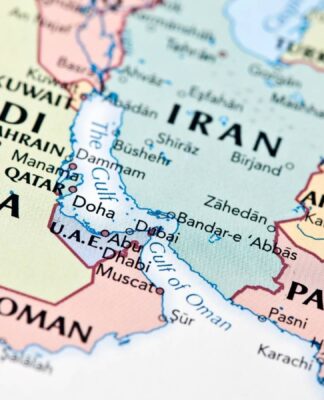
With oil prices climbing above $100 per barrel amid geopolitical tensions in the Middle East, airline executives say pressure on fuel budgets is intensifying.
Jet Fuel Prices Rising
Jet fuel prices typically track movements in crude oil markets.
As oil prices increase, the cost of refined aviation fuel rises as well. In recent weeks, disruptions to global energy supply and uncertainty surrounding shipping routes have pushed oil prices significantly higher.
Airlines purchase large volumes of jet fuel to operate their fleets, and even small changes in fuel prices can have major financial consequences.
For example, a $10 increase in oil prices can add hundreds of millions of dollars to annual operating costs for large international airlines.
Aviation Industry Cost Pressures
The aviation industry is particularly sensitive to fuel price fluctuations.
Unlike many other industries, airlines operate with relatively thin profit margins and high fixed costs.
In addition to fuel expenses, carriers must cover:
- aircraft leasing and financing
- airport fees
- crew salaries
- maintenance and regulatory compliance
When fuel prices rise sharply, the additional costs can quickly strain airline balance sheets.
As a result, airlines often respond by adjusting ticket prices or adding fuel surcharges to offset the increase.
Travel Demand Remains Strong
Despite the rising cost pressures, global travel demand remains strong in many markets.
International tourism has been recovering steadily in recent years as travel restrictions from the pandemic era faded and global mobility resumed.
Airlines have reported strong passenger demand on several major international routes, particularly between Europe, North America and Asia.
This strong demand may allow airlines to pass some of the increased fuel costs to passengers without significantly reducing travel volumes.
However, higher ticket prices could eventually affect demand if travel becomes too expensive for consumers.
Airline Strategies to Manage Fuel Costs
Airlines use several strategies to manage fuel price volatility.
One common approach is fuel hedging, where airlines purchase fuel contracts in advance to lock in prices and reduce exposure to sudden market fluctuations.
Some carriers also invest in more fuel-efficient aircraft to reduce consumption.
Newer aircraft models can significantly improve fuel efficiency compared with older fleets, helping airlines manage operating costs over the long term.
Operational strategies such as optimizing flight routes and reducing aircraft weight can also help lower fuel consumption.
Economic Ripple Effects
Rising airline ticket prices can have broader economic consequences.
Air travel plays a crucial role in global tourism, business travel and international trade.
Higher travel costs can affect tourism-dependent economies and reduce business mobility.
Industries such as hospitality, retail and event management may also experience indirect effects if travel demand slows.
At the same time, airlines must balance cost recovery with maintaining competitive pricing in a highly competitive market.
What Happens Next
The future of airline ticket prices will depend largely on developments in global energy markets.
If oil prices remain elevated for an extended period, airlines may need to continue raising fares or introducing additional surcharges.
However, if energy markets stabilize and fuel prices decline, airlines may be able to maintain more stable pricing.
For travelers, the coming months could bring increased volatility in ticket prices as the aviation industry navigates rising fuel costs and uncertain energy markets.