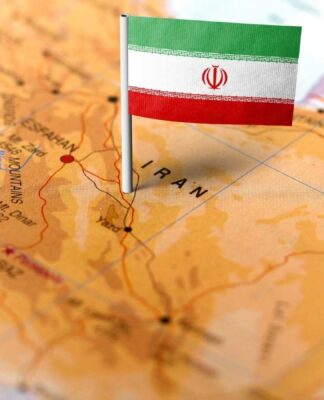

The global energy system is entering a phase where stability can no longer be assumed. What began as a regional geopolitical conflict is now exerting pressure across interconnected economic systems, affecting everything from oil prices to inflation expectations.
In previous crises, disruptions tended to be event-driven. A pipeline would shut down, a production facility would be damaged, or a political decision would restrict supply. Markets would react, and over time, equilibrium would return. What makes the current situation different is the persistence of uncertainty.
Energy markets are no longer reacting only to what has happened. They are reacting to what could happen next.
Why Risk Is Now Driving Prices
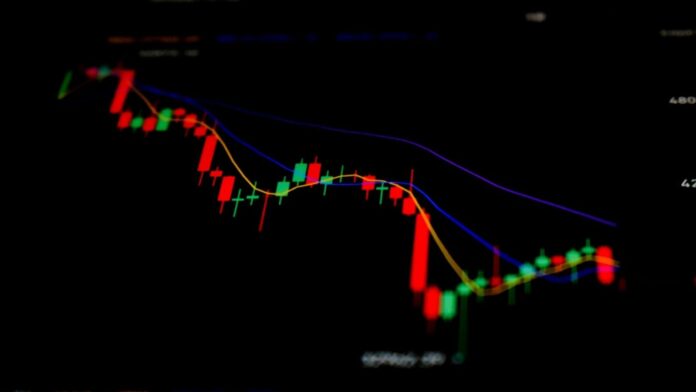
At the core of the current crisis is a shift in market psychology. Oil prices are rising not solely because of reduced supply, but because of heightened risk. Traders are pricing in the possibility of prolonged disruption, rather than responding to immediate shortages.
This change has profound implications.
Risk-based pricing tends to be more volatile and less predictable than supply-based pricing. It amplifies market movements and increases sensitivity to new information, particularly geopolitical developments.
The Strategic Importance of the Strait of Hormuz
A central factor in this dynamic is the Strait of Hormuz, one of the most critical chokepoints in global energy transport. A significant portion of the world’s oil supply passes through this narrow corridor.
Even without a complete closure, the threat of disruption affects behavior. Shipping companies may delay transit, insurers raise premiums, and governments increase monitoring efforts. These actions collectively introduce friction into the system.
That friction translates into higher costs.
Infrastructure Damage and Long-Term Impact
In addition to transportation risks, damage to energy infrastructure is compounding the crisis. Facilities such as refineries, pipelines and storage units require time and resources to repair.
Unlike temporary disruptions, infrastructure damage has lasting consequences. It can reduce capacity for extended periods, creating a lag between the resolution of conflict and the restoration of supply.
This introduces a structural element to the crisis.
Inflation as the Immediate Consequence
Energy is a foundational component of the global economy. When its cost rises, the effects cascade across sectors.
Transportation costs increase, raising the price of goods. Manufacturing becomes more expensive, affecting production margins. Agricultural operations face higher input costs, contributing to food inflation.
The result is broad-based inflation.
Central Banks Face a Policy Dilemma
For central banks, the current environment presents a difficult challenge. Inflation remains a primary concern, but raising interest rates to control it can slow economic growth.
At the same time, lowering rates to stimulate growth risks exacerbating inflation.
This creates a policy dilemma with no easy solution.
Regional Exposure: Europe and Asia
The impact of the crisis is not uniform. Regions that rely heavily on energy imports, such as Europe and parts of Asia, are particularly vulnerable.
These economies are more sensitive to price fluctuations and supply disruptions. As a result, they face greater economic pressure and must adapt more quickly to changing conditions.
Supply Chains Under Renewed Stress
Global supply chains, already strained by previous disruptions, are once again under pressure. Higher energy costs increase transportation expenses, while uncertainty in shipping routes leads to delays.
Companies are adjusting by diversifying suppliers, increasing inventory and reconfiguring logistics networks. These adjustments, however, come with additional costs.
Strategic Reserves and Their Limits
Governments have turned to strategic reserves to mitigate the impact of rising prices. While these reserves can provide short-term relief, they are not a sustainable solution.
Once depleted, they must be replenished, often at higher prices.
The Geopolitical Dimension
The crisis is prompting a reassessment of global energy strategies. Countries are exploring alternative suppliers, investing in domestic production and strengthening alliances.
These shifts may have long-term implications for the structure of global energy markets.
What Happens Next
The trajectory of the crisis will depend on several factors, including geopolitical developments, policy responses and market dynamics.
A resolution to the conflict could stabilize markets, but prolonged tension may lead to sustained disruption.
Conclusion
The global energy system is not collapsing, but it is under significant strain. The current crisis highlights the interconnected nature of modern economies and the importance of stability in key systems.
What happens next will shape not only energy markets, but the broader global economy.