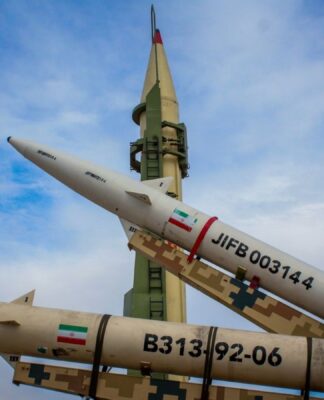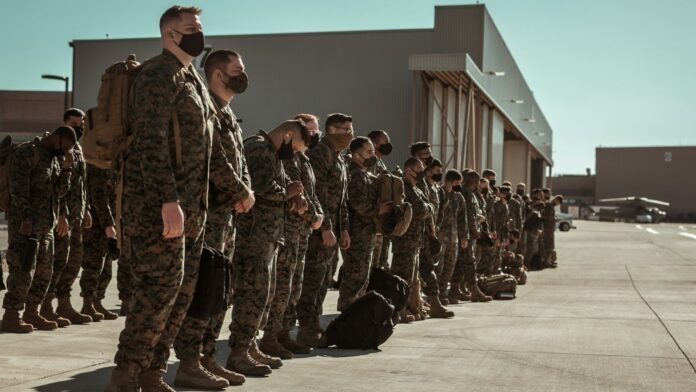

The deployment of US airborne troops to the Middle East is not just a military move — it is a strategic signal.
For weeks, the United States has operated in a support role: intelligence sharing, missile defense coordination and diplomatic pressure. But the decision to move ground-capable forces into the region marks a transition from indirect involvement to physical positioning.
That shift changes the calculus of the conflict.
It alters how adversaries interpret risk, how allies perceive commitment and how escalation pathways unfold.
From Deterrence to Presence
Military deployments serve two primary purposes: deterrence and readiness.
Until now, US actions were designed to deter escalation — to signal that further expansion of the conflict would carry consequences.
But troop deployment introduces a second layer: presence.
Presence means:
- faster response capability
- operational flexibility
- direct exposure to conflict dynamics
This is not symbolic. It is functional.
Why Now?
Timing matters.
The deployment comes after:
- missile exchanges intensifying
- defense systems being tested
- regional actors becoming more involved
This suggests that US decision-makers see a rising probability of further escalation.
In strategic terms, this is pre-positioning.
The Risk of Miscalculation
The presence of US troops introduces a new risk: miscalculation.
In complex conflict environments, small incidents can have large consequences.
For example:
- accidental strikes
- misidentified targets
- rapid escalation of local engagements
When multiple actors operate in close proximity, the margin for error narrows.
A Shift in Strategic Signaling
The deployment also changes how the US communicates its intentions.
Previously, signaling was indirect — through statements, sanctions and defensive support.
Now, signaling is physical.
Troops on the ground send a clearer message:
The US is preparing for a broader range of scenarios.
Regional Reactions
Regional actors are already adjusting.
Allies may feel reassured, interpreting the move as a commitment to stability.
Adversaries may interpret it differently — as escalation.
This divergence in interpretation increases uncertainty.
The Escalation Ladder Becomes Shorter
Military strategists often refer to an “escalation ladder” — a sequence of steps from low-level conflict to full-scale war.
Troop deployment effectively moves the conflict higher on that ladder.
It reduces the number of steps required to reach direct confrontation.
Domestic and Global Implications
The decision also has domestic implications.
Military involvement abroad often intersects with political considerations at home.
Globally, it affects:
- alliance dynamics
- market expectations
- geopolitical stability
What Happens Next
Three scenarios emerge:
1. Stabilization: Troop presence deters further escalation.
2. Prolonged Standoff: Forces remain in position without direct engagement.
3. Direct Involvement: Incidents trigger active participation.
At this stage, the second scenario appears most likely — but the risk of the third cannot be ignored.
Conclusion
The deployment of US troops marks a turning point.
It does not guarantee escalation — but it makes escalation more possible.
The conflict is no longer just about what is happening.
It is about what could happen next.