
Western governments are preparing a coordinated naval protection mission aimed at safeguarding commercial shipping in the Persian Gulf as tensions linked to the Iran conflict continue to disrupt maritime trade.
The initiative, currently under discussion among several allied governments, would involve naval patrols designed to protect cargo vessels and energy tankers traveling through one of the world’s most strategically important maritime corridors.
Officials say the mission reflects growing concerns that attacks on commercial shipping could threaten global energy supply and international trade.
Rising Security Concerns
The Persian Gulf is a critical artery for global energy transportation.
Large volumes of oil and liquefied natural gas shipments pass through regional waterways each day, connecting Middle Eastern producers with international markets.
Recent missile and drone attacks targeting shipping lanes have heightened fears among governments and shipping companies that maritime trade could face prolonged disruption.
Security analysts say the situation has raised the risk level for vessels operating in the region.
Protecting Commercial Shipping
The proposed naval mission would likely involve coordinated patrols from multiple countries.
Warships would escort commercial vessels through high-risk areas and monitor maritime traffic for potential threats.
Such operations have precedent.
During earlier regional conflicts, international naval coalitions conducted similar missions to deter attacks on shipping.
Officials say the goal is to maintain freedom of navigation while reducing risks for civilian vessels.
Strategic Importance of the Region
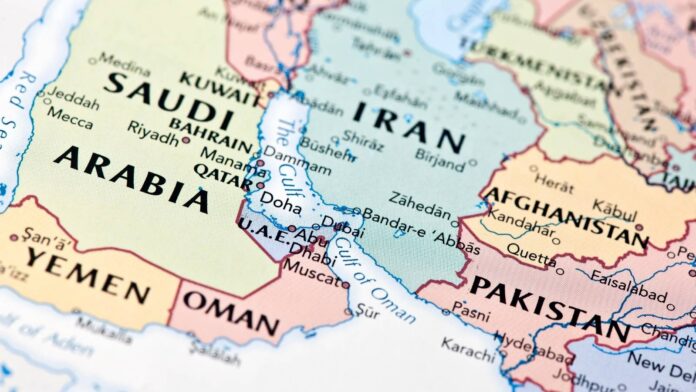
The Persian Gulf connects several of the world’s largest oil exporters with global markets.
Countries including Saudi Arabia, Iraq, Kuwait and the United Arab Emirates rely on maritime routes through the region to transport energy supplies.
Because global oil demand remains high, any disruption to shipping routes can quickly affect international energy prices.
This strategic importance explains why governments are closely monitoring developments in the region.
Impact on Shipping Industry
Commercial shipping companies are already adjusting operations.
Some firms have rerouted vessels or delayed shipments due to security concerns.
Insurance premiums for ships traveling through high-risk areas have also increased significantly.
These additional costs can raise the price of transporting goods around the world.
What Happens Next
The timeline for launching the naval mission remains unclear.
Diplomatic discussions are ongoing as governments evaluate operational details and legal frameworks.
However, security analysts say maritime protection efforts may become increasingly necessary if tensions in the region continue.
For global trade and energy markets, ensuring safe passage through the Persian Gulf remains a critical priority.