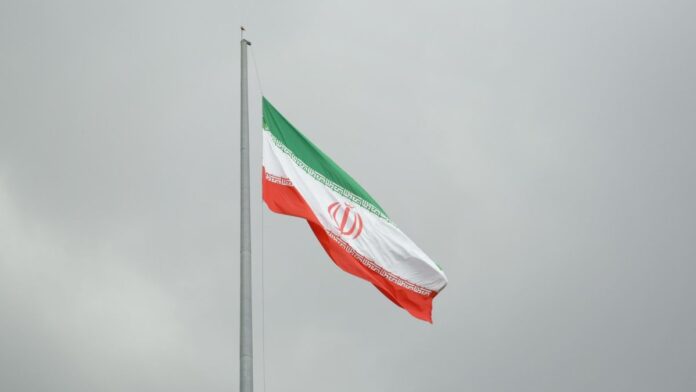

The war involving Iran, Israel and the United States has entered a critical phase as military operations intensify across several parts of the Middle East.
Airstrikes, missile launches and military mobilizations have continued into the sixth day of fighting, raising fears that the conflict could widen into a broader regional confrontation.
For governments, energy markets and international organizations, the central question now is whether the conflict can be contained or whether it risks spreading beyond the immediate participants.
The outcome could shape global geopolitics for years.
What Happened
Over the past several days, coordinated military actions involving Israel and the United States have targeted Iranian military infrastructure and strategic sites.
Iran has responded with missile and drone attacks aimed at military installations and allied positions in the region.
Key developments reported include:
- multiple airstrikes targeting Iranian facilities
- retaliatory missile launches by Iranian forces
- rising military activity around key strategic regions
- heightened security alerts across neighboring countries
The conflict has also triggered widespread security measures across the Middle East.
Airspace restrictions and military mobilizations have been reported in several countries as governments prepare for potential spillover effects.
Why the Conflict Matters
The current confrontation represents one of the most serious military escalations involving Iran in decades.
Several factors make the situation particularly significant.
Strategic Geography
The Middle East remains one of the most strategically important regions in global geopolitics due to its role in energy production and shipping routes.
Any major military escalation in the region can influence global oil markets and trade routes.
Regional Alliances
The conflict involves several major actors and could draw in additional regional players.
Alliances across the Middle East mean that escalation between a few states could quickly involve others.
Global Security Concerns
Major powers around the world are monitoring the conflict closely.
Diplomatic efforts are underway to prevent further escalation, but the military dynamics remain uncertain.
Economic Ripple Effects
Energy markets have already begun reacting to the conflict.
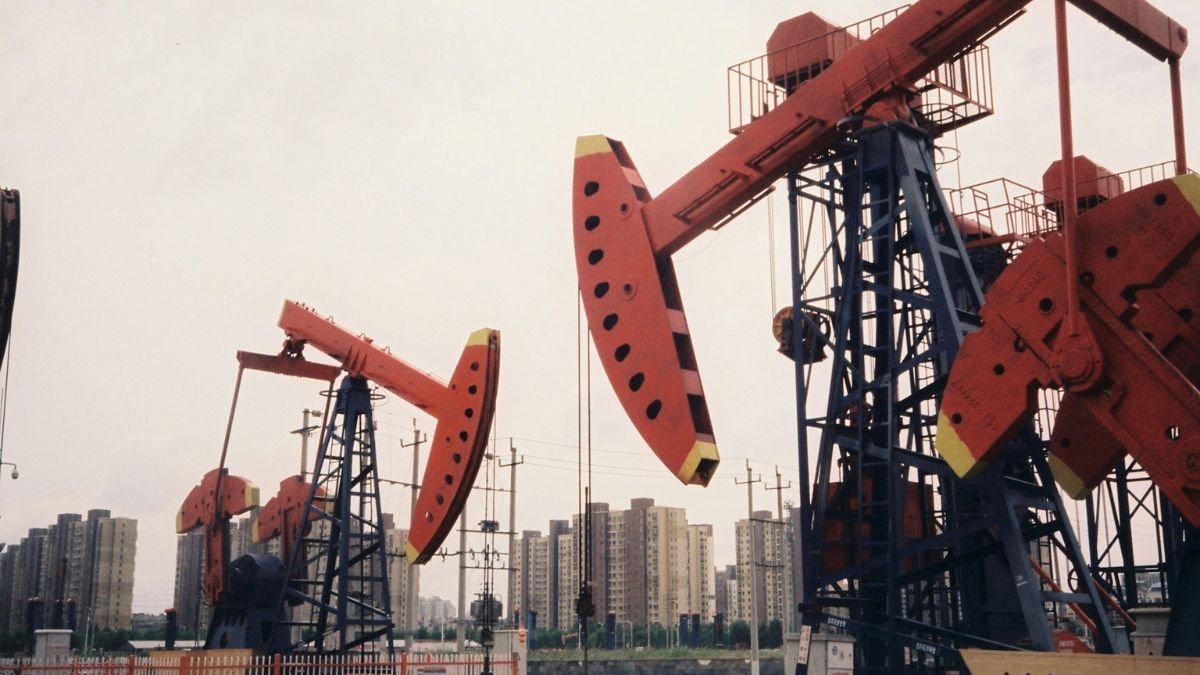
Oil prices have moved higher as investors price in the risk of supply disruptions.
Shipping companies and insurers are also reassessing risks in key maritime corridors across the region.
Higher energy prices can have widespread economic consequences, including:
- rising transportation costs
- increased inflation pressures
- volatility in financial markets
Because energy is a key input across the global economy, geopolitical shocks in the Middle East often have worldwide effects.
What Next
Several scenarios are possible in the coming days.
Containment
Diplomatic intervention could help prevent the conflict from expanding further.
Escalation
If additional military strikes occur, the conflict could widen to include more countries.
Economic Impact
Energy markets will continue to react to developments in the region.
For now, global attention remains focused on the Middle East as governments and markets watch how the conflict unfolds.