
The United States has signaled it may soon achieve full control over Iranian airspace as the conflict involving U.S., Israeli and Iranian forces intensifies.
The statement, made by the White House during a late-night briefing, suggests that American military operations could expand significantly in the coming hours.
The announcement marks one of the strongest signals yet that the conflict may enter a new phase.
For global markets and policymakers, the development raises urgent questions about escalation risks, regional stability and energy security.
What Happened
During a press briefing early Wednesday, the White House indicated that the United States expects to achieve “complete and total dominance” over Iranian airspace in the near future.
The statement follows days of escalating military exchanges between Iran and a coalition involving the United States and Israel.
Recent developments include:
- intensified airstrikes across multiple Iranian targets
- retaliatory missile and drone attacks from Iranian forces
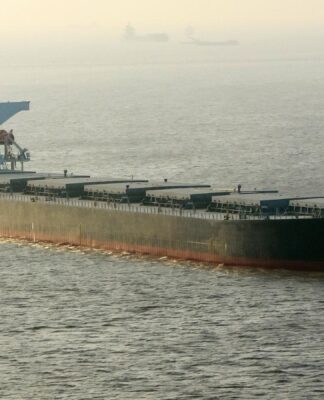
- growing naval activity across the Persian Gulf
- heightened military readiness across the Middle East
The conflict has already resulted in hundreds of casualties and widespread damage to infrastructure across the region.
Strategic Meaning of Air Dominance
Air superiority is one of the most critical factors in modern warfare.
If achieved, it would allow the United States and its allies to:
- operate aircraft with minimal resistance
- conduct surveillance and intelligence missions
- target military infrastructure more effectively
- limit Iran’s ability to launch coordinated responses
Military analysts say gaining control of the skies could dramatically shift the balance of power in the conflict.
However, it could also increase the likelihood of broader regional escalation.
Regional Reaction
Countries across the Middle East are closely monitoring the situation.
Several governments have taken precautionary measures including:
- closing sections of airspace
- increasing military readiness
- strengthening defenses around key infrastructure
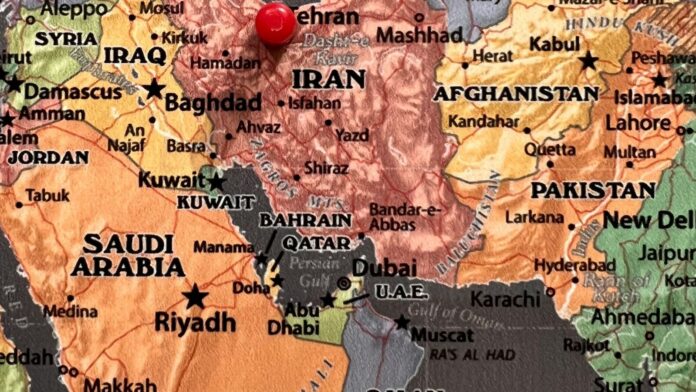
The Persian Gulf region remains particularly sensitive because of its importance to global energy supply.
Shipping traffic and aviation routes have already been affected by the ongoing military activity.
Global Economic Implications
Energy markets are reacting quickly to the growing risk of disruption.
The Persian Gulf region contains some of the world’s largest oil and gas exporters.
If the conflict expands, it could affect:
- crude oil shipments
- liquefied natural gas exports
- maritime insurance costs
- global inflation expectations
Investors and policymakers are watching developments closely.
Even limited disruptions to energy supply can influence global economic stability.
Political Debate in Washington
The expanding conflict has also triggered debate in the United States.
Members of Congress are discussing potential war powers legislation that would require explicit authorization for prolonged military action against Iran.
The debate reflects concerns about:
- the long-term cost of the conflict
- risks of regional escalation
- the potential for wider geopolitical confrontation
While military operations continue, the political dimension of the conflict is becoming increasingly visible.
What Next
Several scenarios could unfold in the coming days.
Escalation
If air dominance leads to expanded strikes, the conflict could intensify rapidly.
Containment
Diplomatic pressure could push the parties toward limiting further escalation.
Regional Expansion
Additional actors in the Middle East could become involved, increasing the scale of the conflict.
For now, the world is watching closely as military developments unfold across one of the most strategically important regions in global politics.