
High-level economic talks between the United States and China are continuing even as a planned summit between their leaders faces delays, underscoring the fragile balance between cooperation and competition that defines the world’s most consequential bilateral relationship.
Negotiations held in Paris in recent days have been described by officials as “constructive” and “stable,” but the broader geopolitical environment — shaped by conflict in the Middle East, energy market volatility and strategic rivalry — continues to complicate progress.
The talks come at a critical moment for the global economy, with both countries seeking to prevent further escalation while protecting their own strategic interests.
What Happened
Senior officials from both sides met for extended discussions focusing on trade stability, supply chains and future cooperation.
Key topics included:
- tariff structures and trade balances
- export controls on advanced technology
- access to rare earth materials
- agricultural trade commitments
Officials indicated that the talks helped maintain stability in the relationship, even if major breakthroughs remain unlikely in the short term.
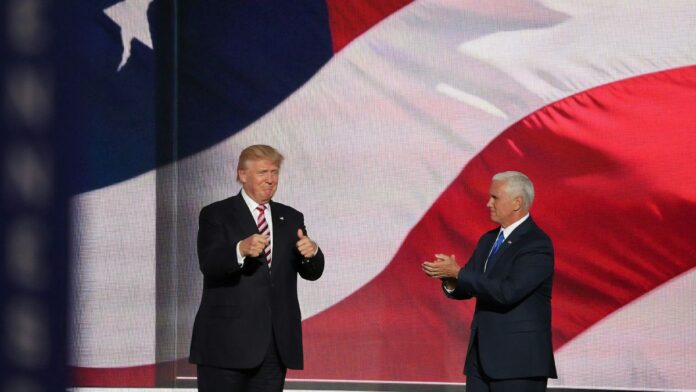
At the same time, plans for a high-profile summit between U.S. President Donald Trump and Chinese President Xi Jinping have been delayed due to the ongoing Iran conflict, highlighting how global events are influencing bilateral diplomacy.
Why It Matters
The relationship between the United States and China is central to the global economic system.
Together, the two countries account for a significant share of:
- global trade
- manufacturing output
- technological innovation
Even minor disruptions in their relationship can ripple across global markets, affecting supply chains, investment flows and economic growth.
Stability between the two powers is therefore seen as essential for maintaining broader global economic stability.
Trade and Tariff Tensions
Despite ongoing dialogue, significant disagreements remain.
Tariffs imposed during earlier phases of the trade conflict continue to affect bilateral commerce.
The United States has also launched new investigations into Chinese industrial practices, which Beijing has criticized as unjustified and potentially destabilizing.
China, for its part, has emphasized the importance of predictable trade policies and warned against actions that could disrupt economic cooperation.
Technology and Strategic Competition
Technology remains one of the most contentious areas.
U.S. restrictions on semiconductor exports and advanced technologies are designed to limit China’s access to critical capabilities.
China is responding by accelerating domestic development in:
- semiconductor manufacturing
- artificial intelligence
- advanced materials
This competition is reshaping the global technology landscape and influencing supply chain decisions worldwide.
Rare Earth Supply Chains
Another critical issue is access to rare earth minerals.
These materials are essential for industries including:
- defense systems
- renewable energy
- electronics manufacturing
The United States remains heavily dependent on Chinese supply chains for certain rare earth elements, making this a strategic priority in negotiations.
Impact of Global Events
The broader geopolitical environment is playing a significant role in shaping the talks.
The ongoing conflict in the Middle East has disrupted energy markets and influenced diplomatic priorities.
The delay of the leaders’ summit reflects how external crises can affect even the most important bilateral relationships.
What Happens Next
While the talks have helped maintain stability, expectations for major breakthroughs remain limited.
Analysts say the focus is on managing tensions rather than resolving them.
The eventual summit between the two leaders — once rescheduled — will likely set the direction for future relations.
For now, the world’s two largest economies remain engaged in a complex balancing act between cooperation and competition.