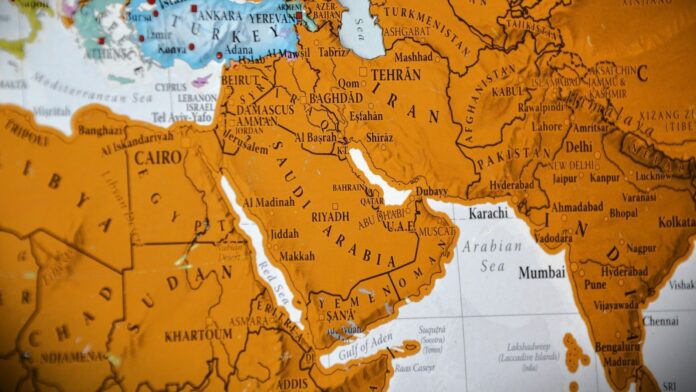

Missile interceptions over Kuwait have marked a significant turning point in the ongoing Middle East conflict, signaling a widening of hostilities beyond primary areas of confrontation and raising concerns among global security analysts about the risk of a broader regional war.
In the latest developments, Kuwaiti air defense systems were activated to intercept incoming aerial threats, including missiles and drones, according to regional security updates. The incident represents one of the clearest signs yet that the conflict is spilling into neighboring territories previously considered relatively insulated from direct attack.
What Happened
According to early reports, multiple aerial threats were detected entering Kuwaiti airspace, prompting immediate defensive action.
Key details include:
- Air defense systems successfully intercepted incoming projectiles
- No confirmed large-scale damage reported at the time of writing
- Authorities placed security forces on heightened alert
- Regional airspace monitoring has intensified significantly
While official attribution remains cautious, early intelligence assessments suggest involvement of Iran-aligned groups operating within the broader conflict framework.
Why It Matters
The interception over Kuwait represents more than a single security incident—it marks a structural shift in the conflict’s geography.
Critical implications include:
- Expansion of conflict zones into Gulf states
- Increased vulnerability of energy infrastructure
- Heightened risk to civilian airspace and commercial aviation
- Greater likelihood of multinational involvement
Kuwait’s strategic importance as a logistics and energy hub amplifies the significance of the incident.
Context: A Region Under Pressure
The Middle East has been experiencing escalating tensions over recent months, driven by overlapping conflicts involving state and non-state actors.
Historically, Kuwait has maintained a relatively stable position within regional dynamics, balancing diplomatic relations while hosting key international military infrastructure. The latest developments challenge that stability.
The broader conflict environment includes:
- Maritime disruptions in critical shipping routes
- Increased proxy activity across multiple countries
- Heightened military readiness among Gulf Cooperation Council states
Regional and Global Response
Initial reactions from regional governments have focused on:
- Reinforcing air defense systems
- Coordinating intelligence sharing
- Reviewing civilian aviation protocols
Globally, the incident has prompted renewed discussions at the diplomatic level regarding conflict containment.
Security analysts note that even limited spillover events can significantly alter strategic calculations, particularly when they involve countries with major energy and logistics roles.
Expert Insight
Defense experts emphasize that missile interceptions over third-party territories often indicate a transition phase in conflict escalation.
According to regional security analysts:
- Such incidents can normalize expanded engagement zones
- They increase the probability of retaliatory or preemptive actions
- They complicate diplomatic efforts aimed at containment
The current situation reflects a complex interplay between direct conflict and proxy engagements.
What Happens Next
Several scenarios are now under close observation:
- Increased defensive deployments across Gulf states
- Expansion of surveillance and interception systems
- Potential diplomatic initiatives to prevent further spillover
- Risk of additional cross-border incidents
The coming days will be critical in determining whether this event remains isolated or signals the beginning of a broader regional escalation.

