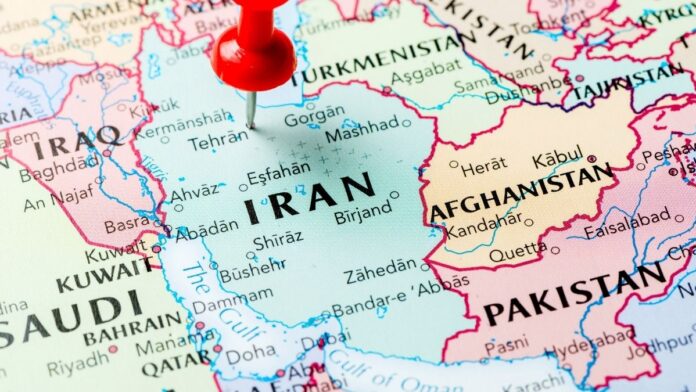

The escalating war between Iran, Israel and the United States is entering a critical phase as Israel expands its air campaign across Iranian territory while Tehran prepares to appoint a new supreme leader.
The leadership transition follows the death of Iran’s long-time leader Ayatollah Ali Khamenei in recent strikes, a development that has dramatically altered the political landscape inside the Islamic Republic.
As the conflict enters its second week, the combination of military escalation and political uncertainty is raising fears that the crisis could spread further across the Middle East.
For governments, energy markets and security analysts, the situation represents one of the most dangerous geopolitical confrontations in decades.
What Happened
Israel has intensified airstrikes targeting infrastructure linked to Iran’s missile and military programs.
Recent strikes have hit:
- fuel depots and energy facilities near Tehran
- suspected military installations
- logistical infrastructure linked to missile development
Satellite imagery and reports from the ground show fires and heavy smoke rising above parts of Tehran after the latest wave of attacks.
Iranian officials have condemned the strikes, describing them as violations of international law.
Meanwhile, Israel argues that the targets are essential components of Iran’s military capabilities.
Leadership Crisis in Tehran
The military escalation is occurring at a moment of unprecedented political uncertainty inside Iran.
Following the death of Khamenei, Iran’s leadership structure is now preparing to select a successor.
Analysts say the likely outcome is a hard-line leadership transition, with Khamenei’s son Mojtaba emerging as a potential candidate.
The leadership decision could influence:
- Iran’s military strategy
- diplomatic relations with regional states
- the possibility of negotiations with Western powers
A hard-line successor may choose to intensify resistance rather than pursue diplomatic de-escalation.
Regional Escalation Risks
The war has already begun spreading beyond Iran and Israel.
Drone and missile attacks have struck several Gulf states hosting U.S. military assets, including Saudi Arabia, Kuwait and Bahrain.
The expansion of attacks across the region raises the possibility that additional countries could be drawn into the conflict.
For many analysts, the current situation resembles the early stages of a broader regional war.
Economic Consequences
The conflict is also affecting global economic conditions.
Energy markets are particularly sensitive to instability in the Middle East because the region supplies a large share of the world’s oil.
Recent developments have already triggered:
- rising oil prices
- increased shipping insurance costs
- volatility in global financial markets
If the conflict expands further, disruptions to energy infrastructure or shipping routes could amplify these effects.
What Next
Several scenarios are possible in the coming days.
- Continued escalation: More airstrikes and missile attacks could expand the conflict geographically.
- Diplomatic intervention: International mediation efforts could attempt to prevent further escalation.
- Leadership transition in Iran: The selection of a new supreme leader could reshape the country’s strategic decisions.
For now, the conflict remains one of the most closely watched geopolitical crises in the world.