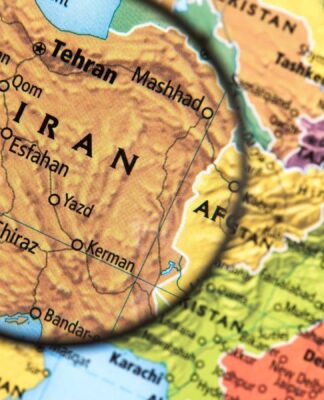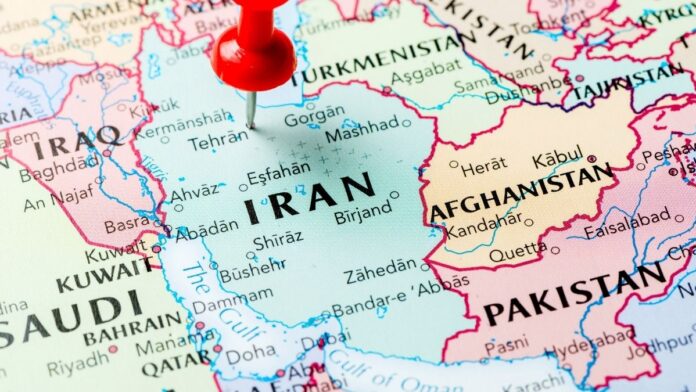

A rapid military escalation between Iran, the United States and Israel has thrust the Middle East into its most volatile phase in years. Major air campaigns now span Iran, Lebanon and Cyprus, with allied responses deepening instability. Global markets and diplomatic capitals are scrambling to assess the fallout.
What Happened
Major combat operations between U.S. and Israeli forces and Iranian military units have intensified across multiple fronts. Recent airstrikes targeted Iranian cities, with reports of hundreds of casualties.
Hezbollah and allied groups in Lebanon have responded with cross-border rocket launches, expanding hostilities. A British military base in Cyprus also came under attack from a presumed Iranian drone, marking a geographic widening of active conflict zones.
Lebanese authorities announced a postponement of national elections as political uncertainty increases amid the security crisis. Cross-border skirmishes between Pakistani and Afghan forces have also been reported, compounding regional tensions.
Why It Matters
This conflict marks a marked escalation beyond previous flare-ups. Energy markets have reacted sharply: Brent crude prices jumped above $82 per barrel and European natural gas surged by nearly 24%, signaling stress on global energy security and cost pressures.
Commercial flights have been canceled and major Middle East airports temporarily shut, disrupting travel and trade flows.
Iran’s reported leadership disruption following the killing of its Supreme Leader has raised questions about internal political stability and succession dynamics, with implications for future negotiation possibilities.
What Next
Diplomatic efforts are underway to prevent further escalation, but stark rhetoric from military leaders suggests conflict might persist for weeks. Global powers including the UK and European Union have initiated defensive measures and evacuations for citizens in the region. Analysts warn that energy price volatility could linger, with potential spillovers into broader inflation and geopolitical realignments.