
The conflict involving Iran, Israel and the United States is entering a new phase of escalation as missile and drone attacks spread across multiple parts of the Middle East, raising fears that the war could expand into a broader regional confrontation.
Military operations in recent days have targeted strategic infrastructure, military facilities and energy installations, intensifying geopolitical tensions across one of the world’s most sensitive regions.
Governments across Europe, Asia and North America are closely monitoring the situation as concerns grow about the potential economic and security consequences of a prolonged conflict.
Escalation Across Multiple Fronts
The latest phase of the conflict has seen a rapid increase in missile launches and drone attacks.
Security officials say Iranian forces and allied groups have launched several strikes targeting military installations and logistical infrastructure linked to Western allies in the region.
At the same time, Israel and the United States have conducted airstrikes against Iranian military assets.
The widening scope of the conflict suggests that military operations are now occurring across several strategic zones.
These include:
- Iran
- Israel
- parts of Lebanon
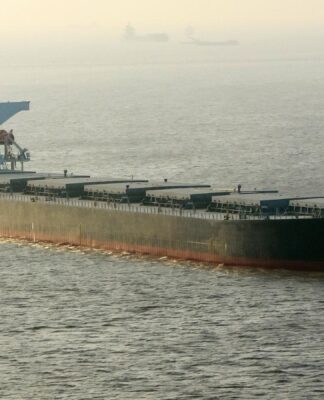
- Gulf maritime corridors
The expansion of attacks across these locations increases the risk of further escalation.
Strategic Targets
Many of the recent attacks have focused on strategic infrastructure.
Military bases, air defense systems and energy facilities have become key targets in the conflict.
Analysts say this pattern reflects a broader effort by both sides to weaken logistical and operational capabilities without triggering a full-scale regional war.
However, such attacks still carry significant risks.
Damage to energy infrastructure or shipping routes could quickly affect global markets.
Impact on Regional Security
The Middle East has long been one of the world’s most geopolitically complex regions.
Multiple rivalries and alliances intersect across the area, making conflicts particularly difficult to contain.
The current war highlights the delicate balance of power between regional states and global powers with interests in the region.
Security analysts warn that even limited escalation could draw additional actors into the conflict.
Several Gulf countries have already increased military readiness while strengthening defenses around key energy infrastructure.
Diplomatic Efforts Continue
Despite ongoing military operations, diplomatic channels remain active.
Several governments are working through international institutions and regional partnerships to encourage de-escalation.
The United Nations has urged all parties to avoid actions that could further destabilize the region.
However, diplomatic progress remains uncertain as both sides continue to exchange military strikes.
Global Implications
The war has implications far beyond the Middle East.
The region plays a central role in global energy supply and maritime trade.
As a result, instability can quickly ripple through international markets.
Oil prices have already surged above $100 per barrel amid fears that the conflict could disrupt energy shipments passing through key maritime routes.
Financial markets have also responded cautiously, reflecting concerns about the economic consequences of prolonged instability.
Humanitarian Concerns
The conflict is also creating humanitarian challenges.
Civilians in several areas have experienced disruptions to electricity, transportation and essential services.
International organizations have warned that prolonged fighting could lead to further displacement and infrastructure damage.
What Happens Next
The coming weeks will be critical in determining whether the conflict stabilizes or continues to escalate.
Security analysts say the situation remains highly unpredictable.
Diplomatic efforts could help reduce tensions, but the risk of further military confrontation remains significant.
For governments and global markets alike, developments in the region will continue to shape economic and geopolitical conditions in the months ahead.