
The ongoing conflict involving Iran, Israel and the United States is expanding across the Middle East, with airspace closures, drone strikes and missile attacks disrupting aviation, energy infrastructure and regional stability.
The situation has evolved into a multi-front conflict affecting several countries, raising concerns among global leaders about the potential for further escalation.
Recent developments have highlighted how modern warfare increasingly targets not only military installations but also economic systems and civilian infrastructure.
What Happened
Several countries across the region temporarily closed their airspace following missile and drone threats linked to the conflict.
In one notable development, the United Arab Emirates suspended operations at key facilities before reopening airspace after the immediate threat subsided.
Drone strikes have also targeted energy infrastructure and logistics hubs, causing fires and operational disruptions.
At the same time, missile exchanges between regional actors have intensified.
Aviation Disruption
The conflict is significantly affecting global aviation.
Airspace closures across multiple countries have forced airlines to reroute flights, increasing travel times and operational costs.
Several carriers have suspended routes to the region altogether.
These disruptions highlight the vulnerability of global air travel to geopolitical events.
Expansion of Conflict Zones
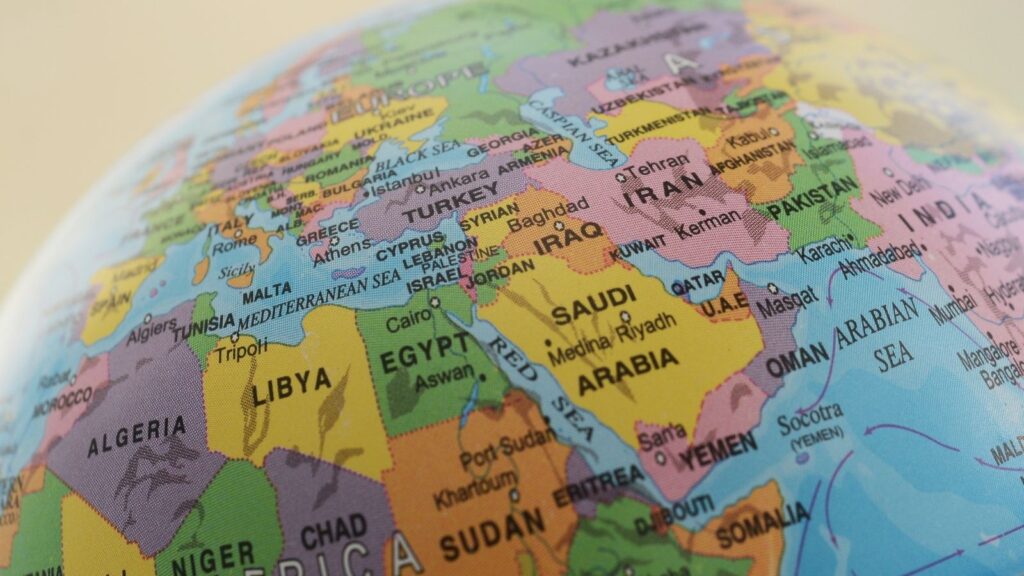
The war is no longer confined to a single area.
Military activity has been reported across:
- Iran
- Israel
- Lebanon
- Gulf states
The expansion increases the risk of a broader regional conflict.
Impact on Global Systems
The conflict is affecting:
- energy supply chains
- shipping routes
- aviation networks
These interconnected systems mean that regional instability can quickly have global consequences.
Humanitarian Concerns
The escalation has also raised humanitarian concerns.
Civilian populations in affected areas are experiencing disruptions to essential services, including electricity, transportation and healthcare.
International organizations are monitoring the situation closely.
What Happens Next
The trajectory of the conflict remains uncertain.
Diplomatic efforts continue, but military activity shows no immediate signs of slowing.
For global markets and governments, the focus remains on preventing further escalation.