
A single moment in war can redefine everything that comes after it.
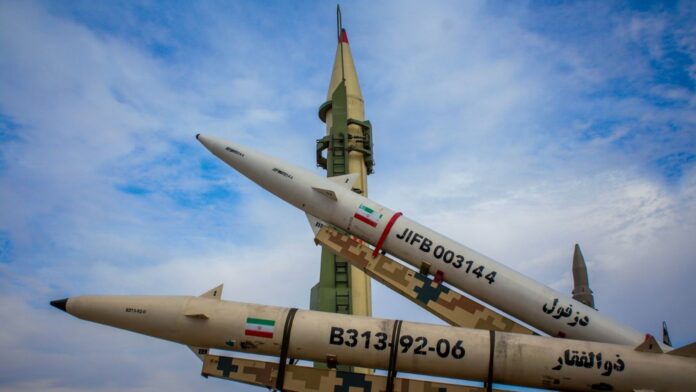
In the latest escalation, Iranian missiles have successfully penetrated Israel’s multi-layered air defense system — one of the most advanced in the world — striking near critical zones and injuring civilians.
On paper, the system still performed with a reported interception rate of over 90%. But in modern warfare, success is not measured by percentages.
It is measured by what gets through.
And what just got through has changed the strategic equation.
The Myth of Perfect Defense Is Breaking
For decades, modern military doctrine has operated on a core assumption:
Advanced defense systems can neutralize incoming threats.
Israel’s layered system — including Iron Dome, David’s Sling, Arrow and US-backed systems — was considered the benchmark.
But no system is perfect.
That reality is now visible.
Even a small percentage of successful strikes can have outsized consequences:
- civilian casualties
- infrastructure risk
- psychological impact
- political pressure
In this case, missiles reaching areas near sensitive sites — including regions associated with nuclear infrastructure — carry symbolic weight beyond physical damage.
This Is Not Just a Tactical Event — It’s Strategic
What makes this development significant is not the number of missiles.
It is what they represent.
Iran has demonstrated:
- sustained missile inventory (estimated thousands)
- improved targeting capability
- ability to overwhelm layered defenses
This shifts the balance from defense superiority → saturation warfare.
In simple terms:
Defense systems are no longer trying to stop a few missiles.
They are trying to stop too many.
The Economics of Defense vs Attack
There is another layer to this story — cost.
Modern missile defense is extremely expensive.
- interceptor missiles: up to millions per unit
- offensive missiles: significantly cheaper
This creates an imbalance.
Iran can launch large volumes of relatively cheaper missiles.
Israel must respond with highly expensive interceptors.
Over time, this creates:
- resource strain
- stockpile concerns
- long-term sustainability issues
Experts are already warning that interceptor supplies must be managed carefully for prolonged conflict.
The War Is Expanding — Not Containing
At the same time, the conflict is not remaining localized.
The United States is preparing to deploy thousands of troops to the region, signaling a shift toward deeper involvement.
Meanwhile:
- strikes continue across Lebanon
- regional actors are being pulled in
- diplomatic efforts remain uncertain
Iran is also pushing for broader conditions in any ceasefire, including Lebanon — indicating a multi-front war dynamic.
This is no longer a contained conflict.
It is becoming systemic.
The Human Cost Is Escalating Rapidly
Beyond strategy, the humanitarian dimension is worsening.
Millions are now displaced across Iran and Lebanon, creating one of the largest regional displacement crises in recent years.
This has several consequences:
- pressure on neighboring countries
- strain on global aid systems
- long-term instability
Humanitarian systems are already underfunded, increasing the risk of secondary crises.
A New Phase of Warfare Is Emerging
What we are witnessing is not just escalation.
It is transformation.
Modern warfare is entering a phase defined by:
1. Saturation Attacks: Large volumes of missiles overwhelming defense systems.
2. Multi-Domain Conflict: Air, cyber, economic and infrastructure layers all active simultaneously.
3. Economic Warfare: Energy, shipping and supply chains becoming targets.
4. Psychological Warfare: Public perception becoming a battlefield.
Global Implications Are Now Inevitable
This is no longer just a Middle East story.
The implications are global.
Energy Markets: Risk to key routes and infrastructure.
Military Doctrine: Nations reassessing air defense strategies.
Economic Stability: Inflation and supply chain disruption.
Security Policy: Greater focus on resilience over prevention.
What Happens Next
There are three possible trajectories:
1. Contained Escalation: Conflict continues but remains regionally limited.
2. Multi-Front Expansion: More actors become involved, increasing complexity.
3. Strategic Shift: New doctrines emerge based on lessons from this phase.
At the moment, the second scenario is becoming more likely.
Conclusion
The breach of Israel’s defense system is not just a military event.
It is a signal.
It signals that:
- modern defense systems have limits
- offensive capabilities are evolving
- warfare is becoming more complex
The balance between attack and defense is shifting.
And with it, the nature of conflict itself.