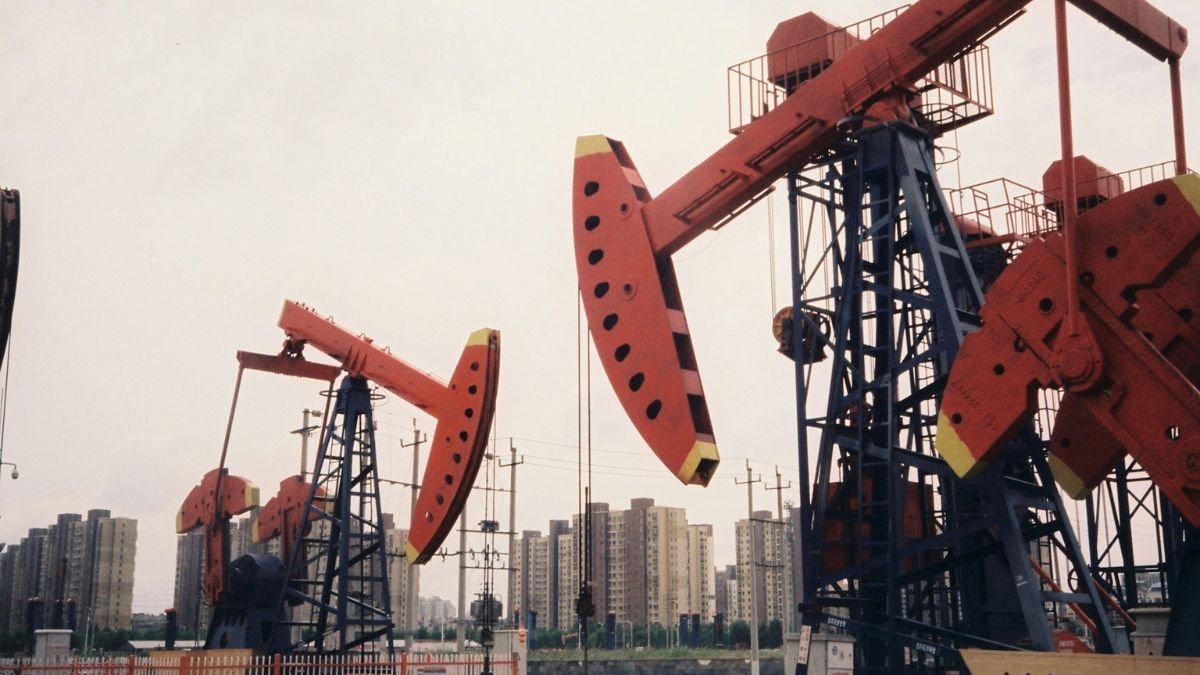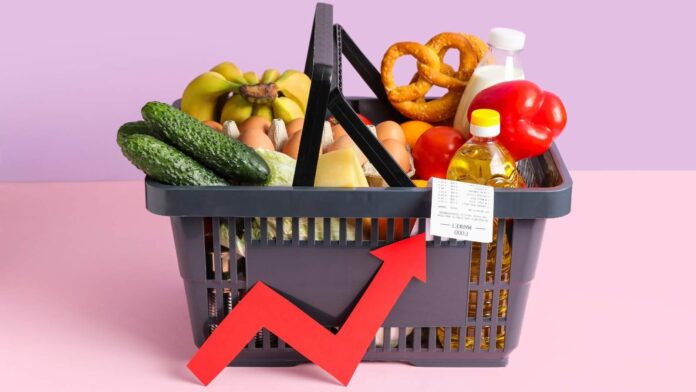

The global energy crisis triggered by escalating geopolitical tensions is now raising concerns about its potential impact on food prices worldwide.
Economists and agricultural analysts warn that rising fuel costs, disrupted fertilizer supply and higher transportation expenses could combine to push food inflation higher in the coming months.
The connection between energy markets and food systems is one of the most important — yet often overlooked — dynamics in the global economy.
The Energy–Agriculture Link
Modern agriculture relies heavily on energy.
Fuel powers agricultural machinery, irrigation systems and food transportation networks.
At the same time, fertilizer production depends heavily on natural gas.
When energy prices surge, the cost of producing and distributing food often rises as well.
Fertilizer Supply Concerns
One key concern is fertilizer production.
Many fertilizers are manufactured using energy-intensive industrial processes that rely on natural gas.
If energy prices remain elevated, fertilizer prices could increase significantly.
Higher fertilizer costs can reduce agricultural output by forcing farmers to cut back on usage.
Transportation Costs
Food supply chains depend heavily on transportation networks.
Crops and food products are transported between farms, processing facilities, warehouses and retail markets.
Higher oil prices increase shipping costs across these networks.
Over time, these higher costs often appear in consumer food prices.
Global Impact
Food inflation tends to hit lower-income countries hardest.
In many developing economies, households spend a large portion of their income on food.
Even modest increases in food prices can therefore have major economic and social consequences.
International organizations often monitor energy markets as an early warning indicator for potential food inflation.
What Happens Next
The future trajectory of global food prices will depend largely on energy market stability.
If geopolitical tensions ease and oil prices stabilize, food price pressures may also moderate.
However, if energy disruptions persist, economists warn that food markets could experience significant volatility in the months ahead.