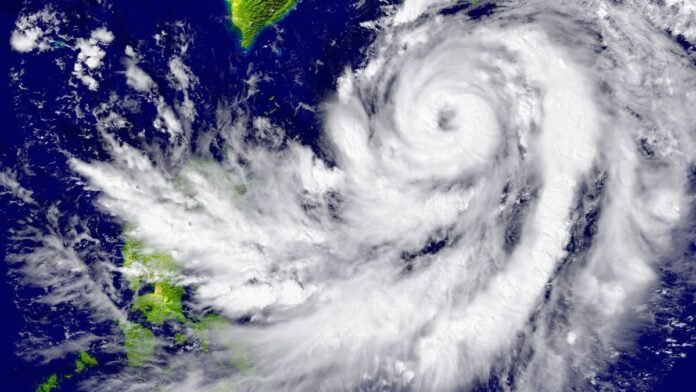

Typhoon Bualoi struck Vietnam’s coast on Monday, resulting in eight fatalities and leaving 17 individuals missing. The storm caused widespread destruction, damaging homes, disrupting power, and flooding roads over the weekend.
The typhoon moved along the country’s northern central coastline before making landfall early Monday, producing waves as high as eight metres, according to the national weather agency.
Heavy Rainfall and Flood Risks
Since Saturday, Bualoi has triggered heavy rains across most of Vietnam, with authorities warning of severe floods and landslides. Rainfall in several regions was forecast to reach 500 millimetres from Sunday night through Tuesday, the weather agency reported.
Missing Fishermen and Storm Casualties
Seventeen fishermen went missing after huge waves hit two fishing boats off Quang Tri province, while another boat lost contact during the storm, according to the government’s disaster management agency.
Strong winds were responsible for eight deaths and seven injuries in Ninh Binh province, as reported by the Vietnam News Agency. Additional casualties include one person caught in floodwaters in Hue city and another killed by a falling tree in Thanh Hoa province.
Typhoon Weakens but Moves Toward Laos
As of Monday 11:00 a.m. (0400 GMT), Typhoon Bualoi was moving over Nghe An province into Laos, with maximum wind speeds weakening to 74 kph (46 mph) from 117 kph at landfall.
Property Damage and Evacuations
The disaster management agency reported:
- 245 houses damaged
- Nearly 1,400 hectares of rice and crops inundated
- Access cut off to multiple areas
No major damage was reported to industrial properties, though large factories such as Foxconn, Luxshare, Formosa Plastics, and Vinfast are near the storm’s path.
Preemptive Measures and Travel Disruptions
Ahead of Bualoi’s landfall, the government evacuated over 28,500 people, and hundreds of flights were cancelled or delayed as four airports in central provinces were closed.
Authorities continue to monitor the typhoon’s path and urge residents to remain vigilant against floods, landslides, and strong winds.