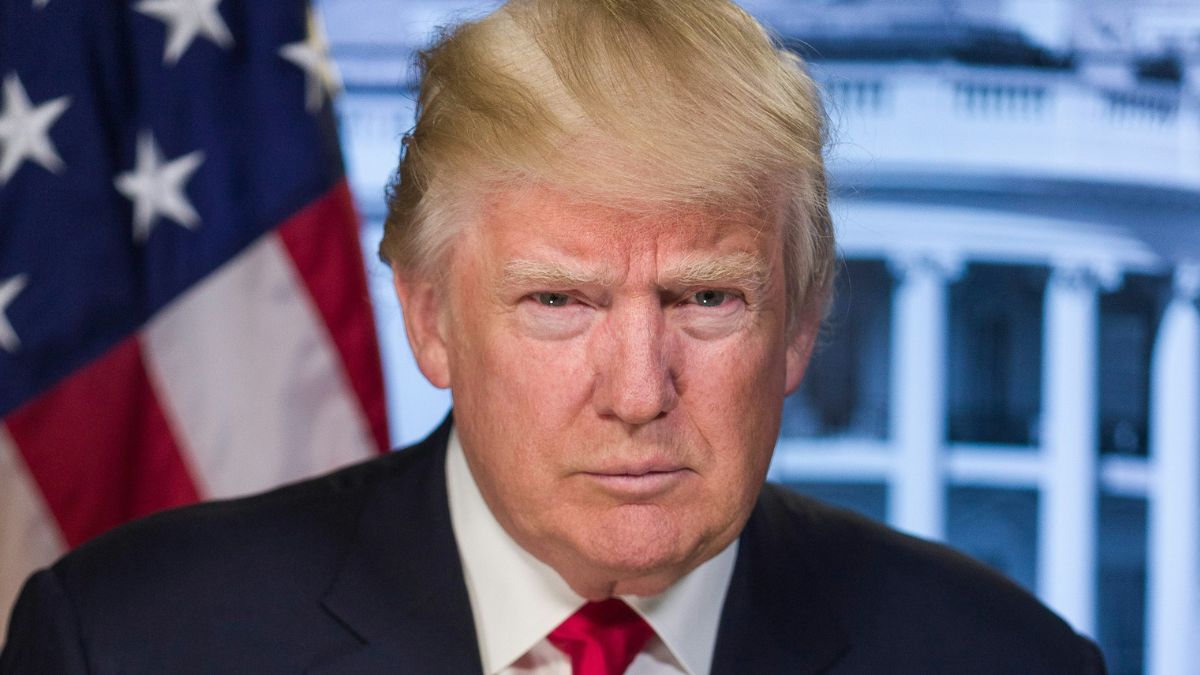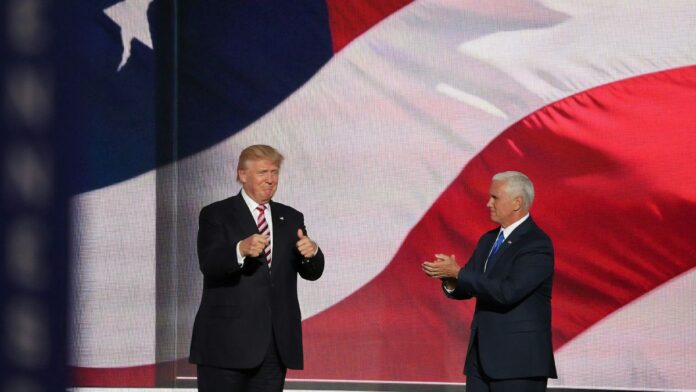

President Donald Trump said he would help “bail out” California on crime, signaling support for federal involvement in addressing public safety issues across the state.
“We’re going to help the people in California. We want to have no crime,” Trump said, referencing his relationship with Governor Gavin Newsom and past federal assistance efforts in Los Angeles.
Trump’s Remarks
Trump praised Newsom personally, describing him as “a good guy,” and said he would support California “in a heartbeat” if assistance were needed. He also pointed to early-term interventions during his presidency when federal resources were deployed to help Los Angeles during periods of unrest and instability.
The comments reflect a tone of cooperation rather than confrontation, even as crime policy remains a deeply partisan issue nationwide.
Federal Help and State Authority
Crime policy in the United States traditionally falls under state and local jurisdiction. However, federal intervention — through funding, law enforcement support, or emergency measures — has historically occurred during periods of crisis.
Trump’s remarks reopen questions about:
- The role of the federal government in state-level crime policy
- The balance of power between Washington and state governments
- When intervention becomes justified
The Political Context
California has frequently been a focal point in national crime debates, with Los Angeles often cited as a symbol of broader urban public safety challenges. Political leaders across parties have used crime policy as a central campaign issue, linking it to governance, leadership, and public trust.
Trump’s comments place California back at the center of that national conversation.
Public Safety as a Campaign Issue
Crime remains one of the most powerful voter concerns across the country. Messaging around safety, policing, and intervention is increasingly shaping political narratives ahead of upcoming elections.
Statements like this are not only policy signals — they are campaign positioning in a climate where public security dominates political discourse.
What Comes Next
It remains unclear whether Trump’s remarks will translate into specific policy proposals or remain rhetorical positioning. However, they add to the growing focus on crime, governance, and federal authority as defining themes in U.S. politics.
As debates intensify, California’s role in national political narratives is likely to expand further.