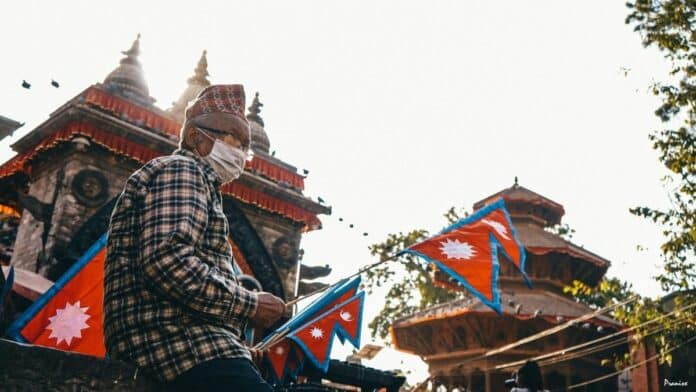

Nepal is heading to one of the most consequential elections in its recent political history, following months of political turmoil and youth-led protests that forced the country’s previous government to step down.
The election represents a critical test for the Himalayan nation’s democratic institutions and its ability to respond to rising public frustration over corruption, unemployment and governance.
For many voters, the election is about more than choosing political leaders — it is about redefining the direction of the country’s political system.
What Happened
Nepal is holding a national election following the collapse of its previous government after widespread protests last year.
The protests were largely driven by young activists demanding:
- stronger anti-corruption measures
- greater job opportunities
- reform of the political establishment
The demonstrations became one of the largest political movements in the country in recent years.
Violence during the unrest resulted in dozens of deaths and ultimately forced the government to resign, paving the way for a new vote.
Why This Election Matters
A Test for Nepal’s Democracy
Nepal transitioned to a federal democratic republic in 2008 after the abolition of the monarchy.
However, political instability has remained a persistent challenge.
Frequent government changes and coalition disputes have created frustration among voters.
The upcoming election is seen as a chance to restore political stability.
Youth Influence in Politics
One of the most significant aspects of the protests was the strong participation of younger voters.
Nepal has a relatively young population, and many young people have become increasingly vocal about political reform.
The movement has pushed political parties to address issues such as:
- job creation
- education reform
- government transparency
Economic Pressures
Nepal’s economy faces several structural challenges.
These include:
- limited industrial development
- dependence on remittances
- vulnerability to natural disasters
Political stability will be crucial for attracting investment and strengthening economic growth.
Regional and Global Implications
Nepal sits between two major geopolitical powers — India and China.
Both countries maintain significant economic and strategic interests in the region.
Political stability in Nepal affects regional trade routes, infrastructure development and cross-border cooperation.
For international observers, the election will also serve as an indicator of how democratic institutions in developing countries respond to popular protest movements.
What Next
After the election, Nepal will likely enter a period of coalition negotiations to form a new government.
The key questions include:
- whether reform-oriented parties gain influence
- how quickly political stability can be restored
- whether the new leadership addresses the demands that triggered the protests
The outcome could shape Nepal’s political trajectory for years.