
A major U.S. trade court ruling has opened the door for billions of dollars in tariff refunds to American businesses, marking a significant moment in the ongoing legal battle over U.S. trade policy.
The decision follows a recent U.S. Supreme Court ruling that invalidated sweeping tariffs imposed under emergency economic powers. Now, a federal judge has clarified that companies that paid those duties are entitled to refunds, potentially totaling well over $130 billion and possibly reaching $175 billion.
For companies that have spent years challenging the tariffs in court, the ruling could bring long-awaited financial relief.
For the U.S. government, however, it could create one of the largest refund obligations in modern trade policy.
What Happened
A federal judge from the U.S. Court of International Trade ruled that businesses which paid tariffs previously invalidated by the Supreme Court must be refunded.
Judge Richard Eaton stated that importers affected by the tariffs are “entitled to benefit” from the Supreme Court decision that struck down the duties.
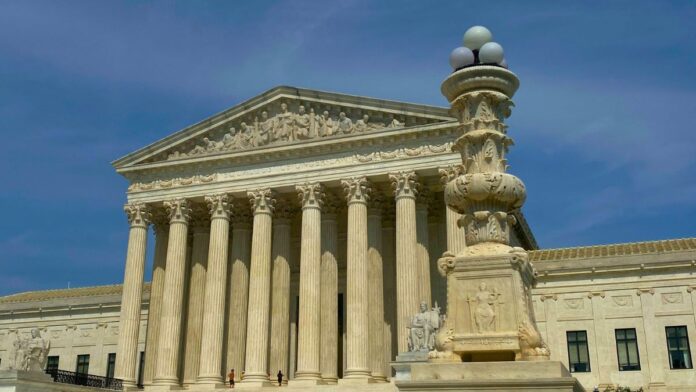
The Supreme Court had earlier ruled that the tariffs were imposed unlawfully because the president lacked authority under the International Emergency Economic Powers Act (IEEPA) to impose broad import taxes.
Following that decision, the trade court was tasked with determining what should happen to the money already collected.
The new ruling clarifies that:
- businesses can seek refunds for tariffs paid
- U.S. Customs must process repayment claims
- additional legal cases will determine the details of reimbursement
The judge also rejected arguments that issuing refunds would be administratively impossible, noting that the customs system regularly handles tariff adjustments.
How Much Money Is Involved
The financial implications of the ruling are enormous.
The U.S. government collected more than $130 billion in tariffs under the measures that were struck down.
Some economic estimates suggest total refund exposure could reach $175 billion once interest and additional claims are included.
Thousands of companies have already filed lawsuits seeking repayment.
Many of those cases were paused until courts determined whether the government would be required to issue refunds.
Now that clarification has arrived, legal proceedings are expected to accelerate.
Why the Tariffs Were Struck Down
The tariffs were originally introduced using the International Emergency Economic Powers Act, a law typically used for economic sanctions and national security measures.
The administration argued that the tariffs were necessary to address economic threats from foreign trade imbalances.
However, the Supreme Court concluded that the law does not grant the president authority to impose broad tariffs, a power traditionally reserved for Congress.
The ruling therefore struck down the tariffs and left lower courts to decide how businesses should be compensated.
Impact on Businesses
For many companies, the tariffs significantly increased the cost of importing goods.
Industries affected included:
- manufacturing
- retail
- automotive
- electronics
- logistics
Some businesses argued that the tariffs forced them to raise prices or reduce investment.
Now, the possibility of refunds could provide a financial boost to companies that paid millions in duties over the past several years.
More than 2,000 companies have filed legal claims related to the tariffs.
For some firms, the refunds could amount to tens of millions of dollars.
Administrative Challenges Ahead
Despite the ruling, issuing the refunds will not happen immediately.
The U.S. Customs and Border Protection agency must design a process capable of handling potentially millions of refund claims.
Trade experts say the process could take months or even years.
Complications include:
- verifying import records
- calculating exact duty payments
- determining interest owed
- coordinating with ongoing lawsuits
While the customs system regularly processes smaller refunds, handling a case of this scale will require significant administrative effort.
Political and Legal Fallout
The ruling also has major political implications.
Trade policy has been one of the most contentious issues in U.S. economic policy over the past decade.
Supporters of the tariffs argued they were necessary to protect domestic industries and reduce trade deficits.
Critics argued that they:
- increased costs for businesses
- raised consumer prices
- disrupted global supply chains
The White House has indicated it may appeal aspects of the ruling or seek delays in implementing refunds.
Meanwhile, some policymakers are already exploring new trade policies under different legal authorities.
Global Trade Implications
The decision could influence global trade policy beyond the United States.
Many countries closely monitor U.S. tariff policies because they affect global supply chains and trade negotiations.
If the ruling limits executive authority to impose tariffs, future trade disputes may require greater involvement from Congress.
That could make major trade actions slower but also more predictable.
For multinational companies, the decision may reduce uncertainty about sudden tariff changes.
However, it also highlights how quickly trade policy can become entangled in legal challenges.
What Next
Several developments are expected in the coming months.
First, additional lawsuits will determine how refunds are calculated and distributed.
Second, the government may appeal parts of the ruling, which could delay payments.
Third, policymakers may attempt to redesign tariff policies using different legal frameworks.
For now, businesses across the United States are preparing to file claims.
If the ruling ultimately stands, it could trigger one of the largest financial reimbursements in U.S. trade history.