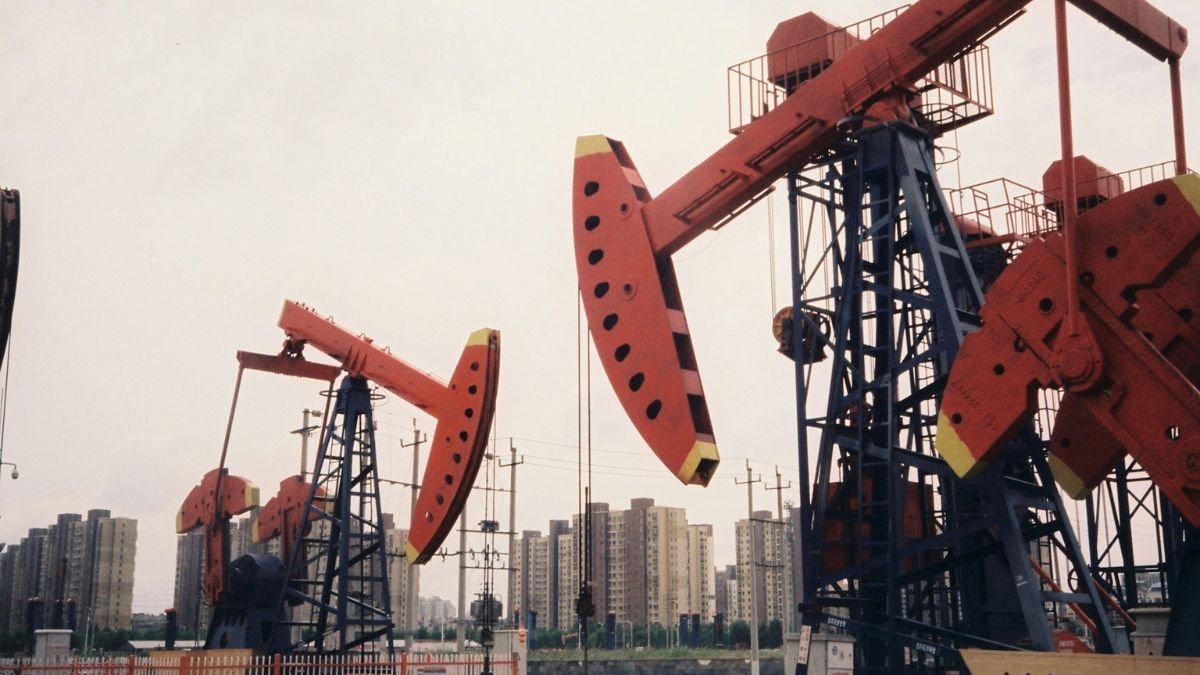

The latest global energy shock triggered by geopolitical conflict is accelerating a shift toward renewable energy as governments and industries seek to reduce dependence on volatile fossil fuel markets.
Analysts say the disruption to oil supply has once again exposed the vulnerability of the global economy to energy shocks, reinforcing calls for diversification and long-term energy security.
The crisis is prompting policymakers to reassess energy strategies that have long relied heavily on oil and gas.
A Turning Point for Energy Policy
The current disruption has highlighted a recurring pattern.
Major geopolitical conflicts often lead to sharp increases in energy prices, followed by renewed efforts to reduce reliance on fossil fuels.
Recent events have reinforced concerns about:
- supply chain vulnerability
- price volatility
- geopolitical risk
These factors are now driving renewed interest in renewable energy investment.
Oil Dependence Exposed
The global economy remains heavily dependent on oil and gas.
A significant share of energy supply still comes from fossil fuels, making economies vulnerable to disruptions in key regions.
The recent conflict has shown how quickly supply shocks can affect:
- transportation
- manufacturing
- electricity generation
Analysts say this dependence creates systemic risk for the global economy.
Renewables Gain Momentum
In response, governments are accelerating plans to expand renewable energy capacity.
Investment is increasing in:
- solar power
- wind energy
- battery storage systems
- hydrogen technologies
These energy sources offer greater stability because they are not tied to geopolitical supply chains in the same way as fossil fuels.
Economic Implications
The transition toward renewable energy has significant economic implications.
It can:
- reduce long-term energy costs
- create new industries and jobs
- improve energy security
However, the transition also requires substantial investment and infrastructure development.
Challenges Ahead
Despite growing momentum, several challenges remain.
Renewable energy systems require large upfront investment and technological development.
Some regions also face political resistance to energy transition policies.
Additionally, fossil fuels continue to play a dominant role in global energy supply.
Global Strategy Shift
The current crisis is likely to accelerate long-term changes in global energy strategy.
Governments are increasingly focused on building resilient energy systems that can withstand geopolitical disruptions.
Analysts say this shift could reshape global energy markets over the coming decades.
What Happens Next
The pace of the energy transition will depend on policy decisions, investment levels and technological innovation.
While fossil fuels will remain important in the near term, the current crisis may mark another step toward a more diversified global energy system.