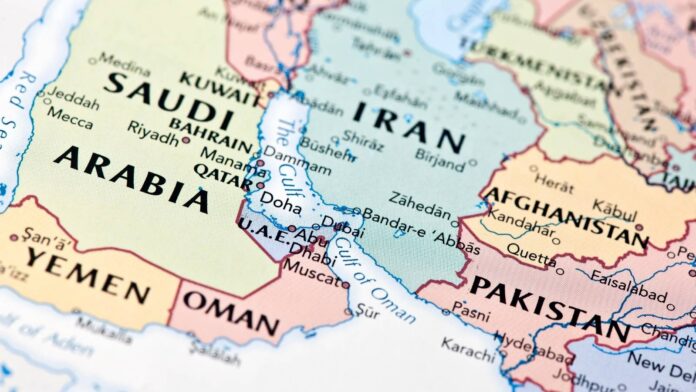

The United States is signaling urgency. But the battlefield is signaling escalation.
In the latest development, US officials have warned that the coming days in the war with Iran will be “decisive,” urging Tehran to move toward a deal or face intensified military pressure.
This framing suggests a potential turning point. But the reality unfolding across the region is far more complex.
What “Decisive” Actually Means
In geopolitical terms, the word “decisive” is rarely used lightly.
It signals:
- potential escalation
- narrowing diplomatic windows
- preparation for major outcomes
In this case, it reflects growing frustration within Washington over stalled negotiations.
But it also reflects risk.
Military Pressure Is Increasing
At the same time as diplomatic messaging intensifies, military activity is expanding.
Recent developments include:
- drone attacks on oil tankers near Dubai
- expanded US military deployments
- continued strikes on Iranian infrastructure
This creates a dual-track dynamic:
- diplomacy in messaging
- escalation in action
Why This Moment Is Critical
The next phase of the conflict depends on three variables:
1. Iran’s Response: Whether Tehran engages diplomatically or escalates militarily.
2. US Strategic Choice: Whether Washington prioritizes negotiation or force.
3. Regional Stability: Whether other actors expand involvement.
The Hormuz Factor
The Strait of Hormuz remains central.
Its disruption is already affecting:
- oil markets
- shipping routes
- global supply chains
This adds urgency to US decision-making.
Domestic Pressure in the US
The conflict is also shaping domestic politics.
Rising oil prices are:
- increasing fuel costs
- affecting inflation
- creating political pressure
This limits how long uncertainty can continue.
Global Implications
The stakes extend beyond the region.
A decisive phase could mean:
- de-escalation → stabilization
- escalation → broader war
Markets are already reacting to both possibilities.
What Happens Next
Three scenarios:
1. Diplomatic Breakthrough: Rapid de-escalation.
2. Controlled Escalation: Continued conflict without expansion.
3. Rapid Expansion: Broader regional war.
Conclusion
“Decisive days” is not just rhetoric. It is a signal.
A signal that the conflict is approaching a critical point — where decisions will shape not just the war, but its global consequences.