
The global energy system is entering one of its most critical phases in decades, as escalating conflict involving Iran begins to disrupt oil flows, liquefied natural gas (LNG) exports and key global trade routes simultaneously.
What began as a regional military confrontation has rapidly evolved into a systemic economic shock, affecting everything from energy prices and inflation to supply chains and geopolitical alliances.
The scale of the disruption is now being compared to — and in some cases exceeding — previous global energy crises.
According to the International Energy Agency, the current conflict represents the most severe energy supply shock in modern history, with disruptions affecting roughly one-fifth of global oil and gas flows.
This is not just a price spike. It is a structural disruption with long-term implications.
A War Expanding Beyond Borders
In the past 24 hours, the conflict has intensified significantly.
Airstrikes, missile exchanges and retaliatory attacks have spread across multiple countries, including Iran, Israel and Lebanon, while Gulf states have intercepted drones and missiles targeting strategic infrastructure.
This widening conflict is no longer contained within traditional battle zones.
Instead, it is directly targeting:
- energy infrastructure
- shipping routes
- military installations
- industrial facilities
The result is a cascading effect across interconnected global systems.
The Strait of Hormuz: A Critical Pressure Point
At the center of the crisis lies the Strait of Hormuz — one of the most important chokepoints in the global energy system.
Roughly 20% of global oil and LNG supply passes through this narrow corridor.
Disruptions in this region have immediate global consequences.
Recent restrictions on shipping, combined with heightened security risks, have led to:
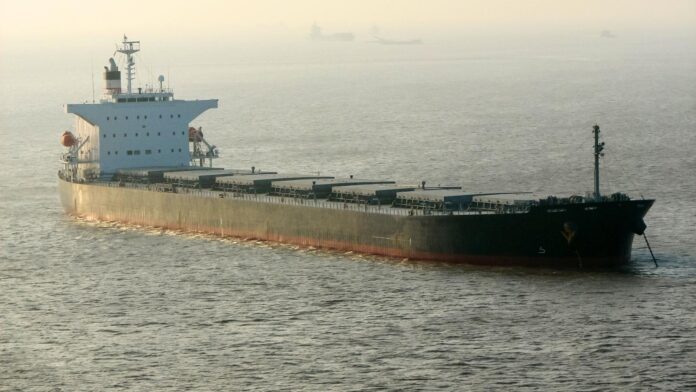
- reduced tanker movement
- rising insurance costs
- delays in delivery
- increased volatility in supply
This has effectively removed a significant portion of accessible energy supply from global markets.
LNG Shock Adds a Second Layer of Crisis
While oil markets often dominate headlines, the disruption to LNG supply may prove equally significant.
Attacks on gas infrastructure, including major export facilities in the Gulf, have disrupted nearly 20% of Qatar’s LNG export capacity, one of the world’s largest suppliers.
LNG plays a crucial role in:
- power generation
- industrial activity
- heating systems
particularly in Asia and Europe.
Unlike oil, LNG markets are less flexible.
Supply cannot easily be redirected, making disruptions more difficult to manage.
Oil Prices Surge — And the Impact Spreads
The immediate market reaction has been sharp.
Oil prices have surged toward $120 per barrel, reflecting both supply constraints and risk premiums driven by uncertainty.
But the impact extends far beyond energy markets.
Higher oil prices feed into:
- transportation costs
- manufacturing expenses
- food production
- consumer prices
This creates inflationary pressure across the global economy.
Inflation, Growth and the Risk of Stagflation
The current crisis is creating a dangerous economic combination.
On one side, rising energy prices are pushing inflation higher.
On the other, economic growth is slowing due to higher costs and uncertainty.
This combination — known as stagflation — is particularly difficult for policymakers to manage.
Central banks face a dilemma:
- raising interest rates to control inflation
- or supporting growth by keeping rates stable
Both options carry risks.
Supply Chains Begin to Strain
Energy is not just a commodity — it is the foundation of global supply chains.
Disruptions are already affecting:
- shipping routes
- logistics networks
- industrial production
Higher fuel costs increase transportation expenses, while delays in shipping disrupt production schedules.
This creates bottlenecks that can spread across industries.
A Global Policy Reset Begins
Governments around the world are now reassessing energy strategies.
The crisis is accelerating a shift toward:
- renewable energy
- nuclear power
- diversified supply sources
Europe, in particular, is revisiting nuclear energy policies, while Asian economies are investing heavily in renewables and energy security measures.
At the same time, some countries are increasing reliance on coal in the short term to ensure supply stability.
Financial Markets Enter Volatility Phase
Financial markets are reflecting the uncertainty.
Equities have become more volatile as investors reassess growth prospects.
Bond markets are reacting to inflation expectations.
Safe-haven assets are attracting increased demand.
This reflects a broader shift in sentiment:
From growth optimism → to risk management.
Human and Economic Costs Rise
Beyond markets and policy, the crisis is having real-world consequences.
Civilian casualties are rising, infrastructure is being damaged and millions are being displaced across affected regions.
At the same time, higher energy costs are affecting households worldwide.
Consumers are facing:
- higher fuel prices
- increased food costs
- rising utility bills
This is turning the energy crisis into a cost-of-living crisis.
Why This Crisis Is Different
What makes the current situation unique is the convergence of multiple factors:
- large-scale geopolitical conflict
- disruption of critical energy infrastructure
- strain on global supply chains
- inflationary pressure across economies
Unlike previous crises, this is not a single-point disruption.
It is a system-wide shock.
What Happens Next
The trajectory of the crisis will depend on several key factors:
- whether conflict escalates or stabilizes
- whether shipping routes reopen
- how quickly supply can be restored
The International Energy Agency estimates that restoring disrupted supply could take six months or more, even under favorable conditions.
This suggests that the impact may not be short-lived.
The Bigger Picture
The global energy system is undergoing a stress test.
The current crisis is exposing vulnerabilities that have long existed but were often overlooked:
- dependence on limited supply routes
- concentration of production in specific regions
- lack of resilience in energy infrastructure
At the same time, it is accelerating long-term changes in how energy is produced and consumed.
Conclusion
The Iran conflict has moved beyond a regional war.
It is now a global economic event — one that is reshaping energy markets, financial systems and policy decisions worldwide.
The coming weeks will be critical.
Whether the crisis stabilizes or escalates further will determine not only the future of energy markets but the trajectory of the global economy itself.
For now, one thing is clear:
The world is entering a new phase of energy uncertainty — and the effects are only just beginning.