
Afghan authorities claim they have launched a “large-scale offensive” against Pakistan in direct retaliation to a recent Pakistani airstrike that hit residential areas, resulting in casualties and worsening bilateral tensions.
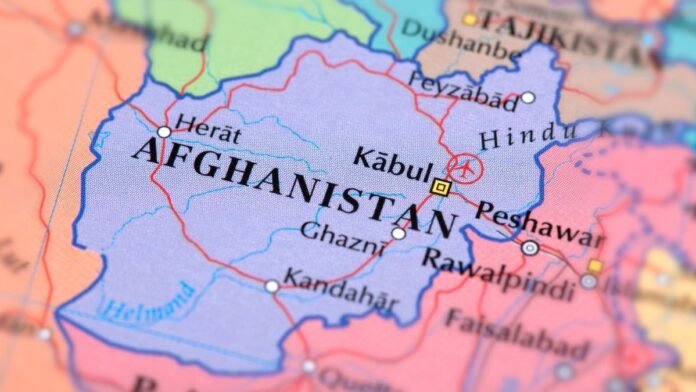
This escalation marks a significant uptick in hostilities along the Afghanistan–Pakistan border — a region that has long been fraught with insurgent movement, counterterror operations and politically sensitive incursions.
Background: The Clash That Sparked It
The offensive was announced after Pakistani forces conducted an airstrike on Afghan territory, targeting what Islamabad described as terrorist hideouts. However, the strike reportedly hit civilian homes and compounds, according to local sources, igniting outrage and demands for retaliation.
In response, Afghan authorities — including Taliban-linked security elements — declared a broad offensive operation targeting key border regions and potential staging grounds for future incursions.
What the Offensive Involves
Details remain sparse due to the rapidly evolving nature of the conflict zone, but reports suggest:
- A focus on traditional infiltration routes between Pakistan’s Khyber Pakhtunkhwa region and Afghan provinces.
- Ground and limited air coordination aimed at disrupting cross-border operational platforms.
- Engagements reported near Khost and Paktika provinces, areas with rotational militant activity.
Analysts emphasize that defining the offensive’s scale remains challenging in real-time due to conflicting statements and media restrictions.
Regional Security Impact
The offensive raises broader concerns:
- Civilian risks: Population centers near the border may face increased displacements and insecurity.
- Refugee flows: Renewed violence can exacerbate already strained humanitarian conditions.
- Diplomatic erosion: Past attempts at confidence-building between Islamabad and Kabul have been fragile; this escalation could further deflate trust.
International Reactions
So far, formal responses from Western governments and regional powers have been cautious, calling for restraint and urging both sides to avoid further civilian harm. United Nations officials have reiterated calls for de-escalation and full humanitarian access.
Why This Matters Now
1. Backlash from Civilian Harm: Cross-border strikes impacting civilians universally attract global outcry and complicate military narratives.
2. Expanded Insurgency Risks: Unchecked tit-for-tat operations may embolden splinter groups and repurpose local grievances.
3. Diplomatic Deadlock: Repeated flare-ups undermine long-term security dialogues and peace frameworks.
What to Watch Next
- Independent verification of offensive activity and casualties.
- Statements from Islamabad and regional powers including Iran, China and the US.
- Tracking of displaced populations and humanitarian access points.
Takeaway:
The reported Afghanistan offensive against Pakistan follows a deadly airstrike clash, representing one of the most serious escalations on the border in recent memory — raising concerns about civilian harm, regional stability and diplomatic deadlock.