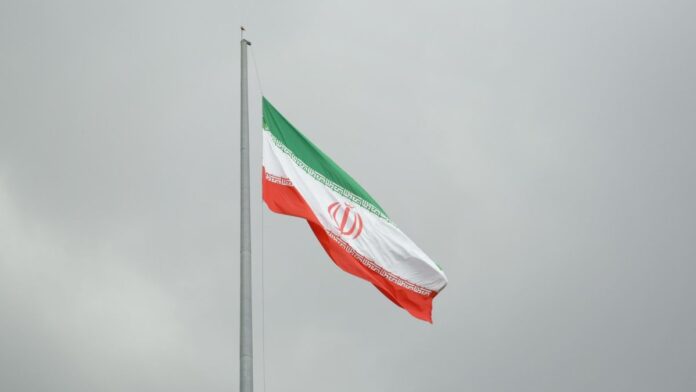

For the third consecutive day, large crowds of Iranian students have taken to the streets — expressing mounting frustration over economic hardship, political pressures, and diminished freedoms. The protests, centered in Tehran and other urban centers, have drawn significant attention as the government balances suppression with public concern.
According to reports, the demonstrations are rooted in systemic socio-economic issues that have persisted for years but have recently intensified due to inflation, unemployment and perceptions of governmental rigidity.
Protest Dynamics
Students have rallied at major universities, chanting slogans calling for reform and accountability. Participation on a third day indicates sustained mobilization rather than isolated outbursts.
The government response has been cautious but firm, with security forces present to maintain order. Authorities have not disclosed casualty figures or made widespread arrests, which analysts interpret as a calibrated approach to avoid escalation.
Why This Matters
1. Generational Tension: Young Iranians are increasingly vocal about their future prospects, challenging established political narratives.
2. Economic Strain: High living costs and limited job opportunities fuel discontent among educated youth.
3. Regional Perception: Continued unrest diverts attention from Tehran’s foreign policy front and could influence domestic stability.
Expert Insight
Observers say that while student activism alone may not topple regimes, it can signal deeper fractures that eventually spread beyond campuses.
What to Watch Next
- Whether protests expand geographically
- Official statements from Iranian authorities
- International human rights responses
Takeaway:
Iran’s student protests reflect broader anxieties — not just about one issue, but deep societal pressures that could have long-term implications.