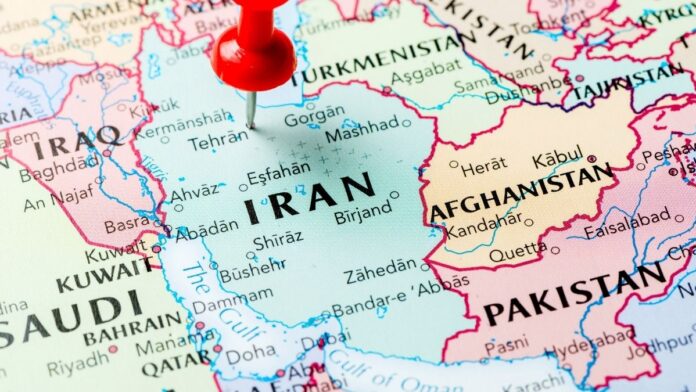

Iran has imposed a three-month ban on all general aviation flights, effectively grounding small civilian aircraft and halting visual flight rules (VFR) operations unless specific authorization is granted.
Under the restriction, civilian pilots may not operate aircraft without prior approval from authorities.
What Flights Are Allowed
According to aviation notices and industry sources, exemptions apply only to limited categories, including:
- Military and security-related flights
- Medical and hospital emergency helicopters
- Oil and energy sector aviation operations
- Approved traffic-control or monitoring flights
All other private and recreational aviation activity has been suspended nationwide.
Why the Ban Matters
General aviation typically includes private planes, flight training, aerial surveys, and recreational flying. A full suspension significantly reduces civilian air activity and places tight control over domestic airspace.
Iranian authorities have not publicly provided a detailed explanation for the restriction, though similar measures in the past have coincided with heightened security concerns or military readiness.
Security and Aviation Context
Airspace restrictions are sometimes imposed to prevent unauthorized surveillance, reduce internal security risks, or maintain strict control during periods of geopolitical tension. Analysts note that limiting civilian air traffic allows governments to monitor the skies more closely and reduce unpredictability.
Impact on Civil Aviation
The ban affects flight schools, private pilots, aviation clubs, and civilian operators across the country. Industry observers say prolonged restrictions could disrupt training pipelines and maintenance cycles if extended beyond the announced period.
What Comes Next
The ban is scheduled to remain in effect for three months, though aviation authorities could modify or extend it. Pilots and operators are advised to monitor official notices for updates or changes to exemption criteria.