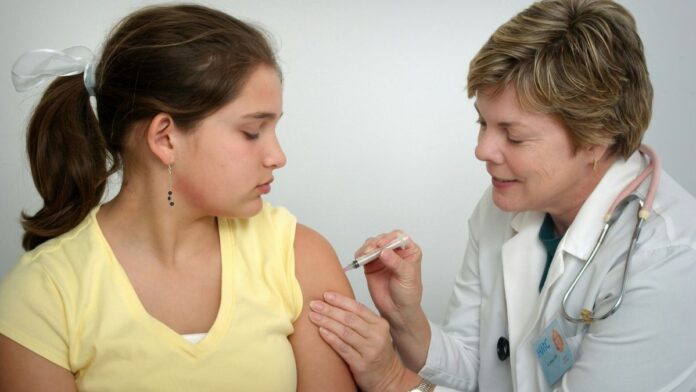

The Centers for Disease Control and Prevention (CDC) has announced a major overhaul of the US childhood immunization schedule, significantly reducing the number of vaccines routinely recommended for most children.
The updated guidance, issued under the Trump administration and Robert F. Kennedy Jr., takes effect immediately and cuts routine vaccination coverage from 17 diseases to 11. Federal officials said the changes are intended to improve transparency, emphasize informed consent, and rebuild public trust, while critics warn the shift could increase the risk of preventable disease outbreaks.
Complete list of vaccines now recommended by the CDC
Under the revised schedule, childhood vaccines are grouped into three categories based on risk and shared clinical decision-making.
Vaccines still routinely recommended for most children
The CDC continues to recommend routine vaccination for the following core diseases:
- Measles, mumps, and rubella (MMR)
- Polio
- Chickenpox
- Human papillomavirus (HPV)
- Other core childhood immunizations included within the reduced 11-disease schedule
Vaccines now recommended only for high-risk children
The following vaccines are no longer routinely recommended for all children and are now advised primarily for those considered high-risk:
- Respiratory syncytial virus (RSV)
- Hepatitis A
- Hepatitis B
- Meningococcal ACWY
- Meningococcal B
- Dengue
Vaccines subject to shared clinical decision-making
The CDC said the following vaccines should now be administered based on discussions between parents and healthcare providers:
- Influenza (flu)
- Covid-19
- Rotavirus
Officials said universal recommendations for rotavirus, Covid-19, influenza, meningococcal disease, hepatitis A, and hepatitis B have been dropped. Parents are encouraged to consult healthcare providers to determine whether vaccination is appropriate.
The CDC emphasized that no vaccines are being banned or removed and that all CDC-recommended vaccines will remain available and fully covered by insurance without cost-sharing.
Why the CDC says the new schedule mirrors Denmark
US health officials said the revised approach more closely aligns with Denmark’s childhood vaccination model, which recommends routine immunization for fewer diseases and places greater emphasis on education rather than mandates.
Denmark does not routinely vaccinate children against rotavirus, hepatitis A, meningococcal disease, influenza, chickenpox, or RSV.
The shift follows an executive order from Donald Trump directing the Department of Health and Human Services to review global vaccine schedules. Trump previously described the US system as excessive and urged alignment with other developed nations.
Kennedy said the changes were based on what he described as an “exhaustive review of the evidence” and were designed to restore confidence in public health institutions.
Concerns raised by public health experts
Some public health experts have cautioned that Denmark’s model may not translate directly to the United States due to differences in population size, healthcare access, and disease patterns.
Critics argue that reducing routine vaccinations could disproportionately affect children with limited access to healthcare and increase the likelihood of disease outbreaks, particularly in underserved communities.


