
Ukrainian President Volodymyr Zelenskyy said in a recent address that too much global attention on initial protests in Iran has “drowned in blood” amid a severe crackdown, and that the world has not done enough to support the Iranian people.
Zelensky described the unrest sweeping Iran as an “uprising” and urged countries, leaders, and international organisations not to miss this pivotal moment to help Iranians pursue change amid reports of deadly force used against demonstrators.
What the Iranian Protests Have Involved
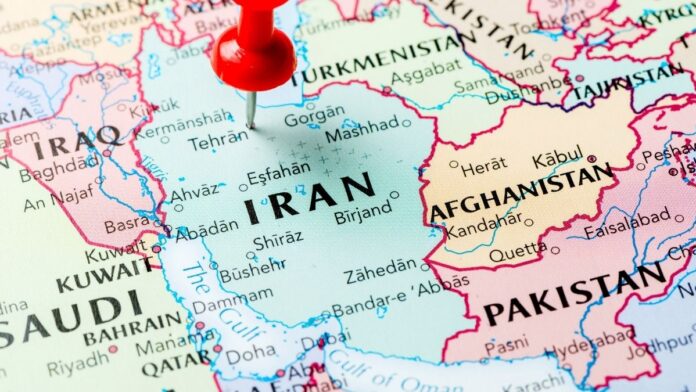
Protests that began in late 2025 over economic woes have expanded into broader demands for political change, with reports of heavy crackdowns by Iranian security forces. Independent groups and rights organisations have documented deaths, arrests, and widespread use of force, although exact figures vary and access remains restricted.
Rights watchdogs have characterised the unfolding situation as one of the most significant crackdowns in recent years, with thousands reportedly killed and tens of thousands detained.
Zelensky’s Call for Action
In his address, Zelensky emphasised that the international community must not simply observe the unrest and its aftermath: he said world leaders and organisations must engage and support Iran’s citizens in pursuing greater freedoms and rights.
Zelensky also linked the protests to broader geopolitical dynamics, noting that Russia should reconsider its close ties with Iran given how the unrest reflects deep dissatisfaction among Iranians.
Global Responses and Challenges
Reactions from governments and international bodies have varied. Some Western nations have condemned the violence and called for restraint and accountability, while others have urged dialogue and respect for peaceful protest. The United Nations and human rights organisations have also weighed in, calling for investigations and protection of civic freedoms.
Why It Matters
Zelensky’s remarks highlight how ongoing protests and government responses in Iran resonate far beyond the Middle East, touching on global debates about human rights, international support for civic movements, and the role of external actors in responding to domestic unrest.
Whether the situation prompts coordinated international action remains uncertain, but the continuing violence has kept Iran at the center of global human rights discussions.