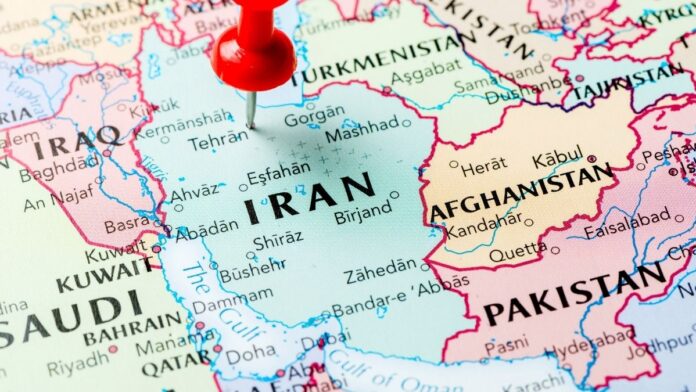

A third round of nuclear negotiations between the United States and Iran concluded in Geneva on Thursday with what Oman’s foreign minister described as “significant progress,” raising cautious hopes for diplomatic reconciliation on one of the world’s most sensitive foreign policy flashpoints.
The two sides have been engaged in a series of talks addressing contentious issues about uranium enrichment limits, verification measures and sanctions relief. While no final agreement has been announced, technical committees are now preparing for follow-up talks in Vienna next week.
Why This Round Matters
This negotiation cycle comes after months of sporadic meetings that have failed to move past deep disagreements over Iran’s nuclear program and the terms of compliance and monitoring.
Diplomatic analysts say the key challenges include:
- Uranium enrichment ceilings: Tehran continues to pursue higher enrichment levels beyond earlier caps.
- IAEA verification: Monitoring mechanisms remain at the center of dispute, with Tehran demanding greater sovereignty over inspection procedures.
- Sanctions relief sequencing: Washington insists Iran take concrete steps before sanctions rollbacks; Tehran wants parallel progress.
Despite these competing timelines, the Geneva discussions showed a tactical narrowing of positions on technical language, according to officials briefed on the talks.
Statements from Diplomats
Oman’s foreign minister, Badr Albusaidi, described the talks as having “significant progress” and confirmed that technical working groups will continue efforts in Vienna, aiming to refine text and text options ahead of a potential political framework.
Tehran’s official statements echoed a continued commitment to negotiations but underscored that Iran will maintain its nuclear activities — including uranium enrichment — until a comprehensive solution is reached.
US negotiators, speaking on condition of anonymity, said that both sides had moved closer on verification procedures and sequencing of sanctions relief, though fundamental gaps remain.
Regional and Global Implications
Middle East stability: A diplomatic breakthrough — even incremental — could reduce the risk of a military escalation in a volatile region that has seen repeated tensions in recent years.
Energy markets: Fossil fuel markets often react to Iran news, especially when conflict risk spikes; sustained negotiation progress may calm volatility.
Allied reassurance: US partners in Europe and the Gulf have been urging progress but have also signaled impatience with protracted diplomacy.
Experts say that Iran’s insistence on enrichment rights and the US focus on verification safeguards represent the core fault line in these negotiations. Whether technical adjustments can bridge that gap remains uncertain.
Challenges Ahead
The Vienna sessions will likely focus on technical details such as:
- Timing and scope of inspections.
- Thresholds for triggering sanctions relief.
- Reporting frameworks to the International Atomic Energy Agency (IAEA).
The IAEA’s role is critical; past reports of gaps in surveillance data have eroded trust and complicated talks.
What to Watch Next
- Statements from Vienna negotiations.
- IAEA technical reports on monitoring and inspections.
- Responses from regional powers such as Israel and Saudi Arabia.
Takeaway:
While “significant progress” marks a cautiously optimistic moment in US–Iran diplomacy, deep structural disagreements mean that any breakthrough still hinges on bridging trust and sequencing gaps — with Vienna now in focus.