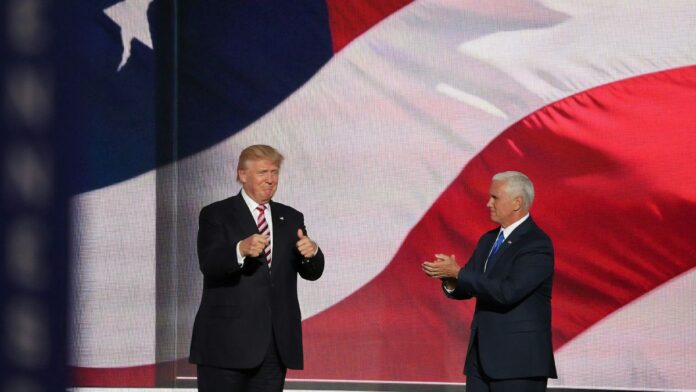

U.S. President Donald Trump and Israeli Prime Minister Benjamin Netanyahu appear aligned on a renewed strategy to pressure Iran — particularly targeting Tehran’s oil exports to China — in what could mark a significant shift in geopolitical tensions across the Middle East and Asia.
The emerging stance reflects concerns in Washington and Jerusalem that Iranian oil sales to China have strengthened Tehran economically despite Western sanctions.
Why Iran’s Oil Exports Matter
Iran’s crude exports, much of which reportedly flows to China, have been a key economic lifeline for the country. While US sanctions remain in place, enforcement intensity has varied in recent years.
Any coordinated effort to tighten enforcement or increase diplomatic pressure could:
- Reduce Iran’s oil revenue
- Raise global oil price volatility
- Increase US–China diplomatic friction
- Escalate tensions across the Gulf region
Energy analysts note that even small disruptions in Iranian exports can impact global crude benchmarks.
A Broader Strategic Signal
For Netanyahu, a tougher Iran policy reinforces Israel’s long-standing security position regarding Tehran’s nuclear ambitions and regional influence.
For Trump, the positioning signals continuity with his prior “maximum pressure” campaign against Iran during his presidency.
Observers say the alignment could also influence US election-year foreign policy messaging.
What Comes Next?
Key variables to watch:
- Will Washington increase sanctions enforcement?
- How will China respond diplomatically?
- Could this escalate military tensions in the region?
While no immediate policy shift has been formally announced, the rhetoric alone has already stirred diplomatic discussion.
The global energy market and Middle East security environment may feel ripple effects in the coming months.