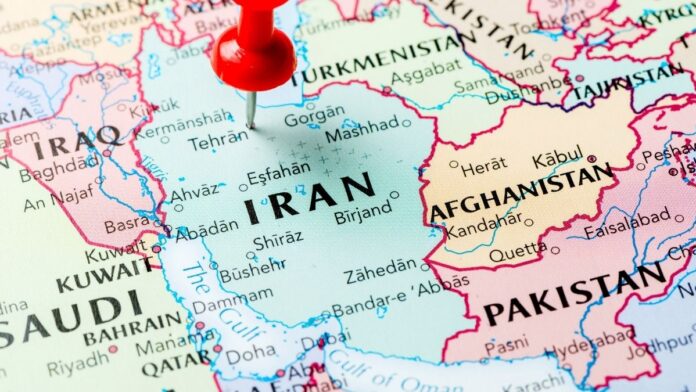

Former U.S. Secretary of State Mike Pompeo has accused the government of Iran of killing up to 16,500 citizens during nationwide protests, calling the alleged actions part of a brutal effort to remain in power.
Pompeo made the remarks while condemning Tehran’s leadership and urging international support for Iranians opposing the government. He cited reports alleging widespread use of lethal force during periods of civil unrest.
What Pompeo Alleged
According to Pompeo, Iranian authorities responded to public uprisings with mass violence, resulting in thousands of deaths. He described the government as an “evil dictatorship” and argued that repression has been a defining feature of the regime since its founding.
Pompeo did not specify which reports he was referencing, but similar casualty estimates have circulated among opposition groups and some advocacy organizations.
Claims and Verification
Independent verification of protest-related death tolls in Iran has been challenging due to restricted access, media controls, and government secrecy. Human rights organizations have previously documented cases of lethal force, mass arrests, and harsh sentencing, but casualty estimates vary widely.
Iranian officials have repeatedly denied allegations of mass killings, arguing that security forces acted lawfully and that foreign sources exaggerate figures for political purposes.
Iran’s Protest Movements
Iran has experienced multiple waves of protests in recent years over economic hardship, political restrictions, and social freedoms. Government responses have often included internet shutdowns, arrests, and forceful crowd control, drawing condemnation from Western governments and rights groups.
The scale and intensity of these crackdowns remain a subject of international dispute.
Political and Diplomatic Impact
Pompeo’s remarks are likely to reinforce calls in Washington and other capitals for tougher policies toward Tehran, particularly on human rights grounds. Supporters argue such statements keep attention on alleged abuses, while critics warn that unverified figures can complicate diplomatic efforts.
The comments also underscore how Iran’s internal repression remains a central issue in its strained relations with the West.
What to Watch Next
Attention may now turn to whether international human rights organizations or UN bodies respond to the renewed claims, and whether Iranian officials issue further denials or counter-statements.
As protests and dissent continue to shape Iran’s domestic landscape, competing narratives over what happened — and how many died — remain sharply contested.