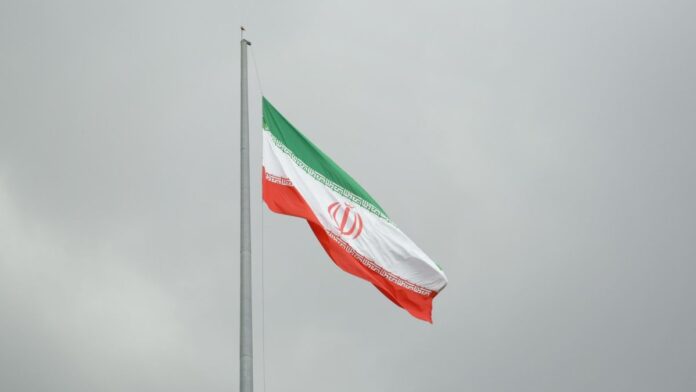

Fresh nuclear negotiations between Iran and Western officials are resuming in Geneva this week — even as Tehran stages new naval drills near the Strait of Hormuz, raising the stakes in an already fragile diplomatic environment.
The renewed talks follow months of stalled dialogue over uranium enrichment levels and international monitoring access. Iran’s Foreign Minister Abbas Araghchi met with International Atomic Energy Agency (IAEA) Director Rafael Grossi ahead of formal discussions, signaling a cautious return to diplomatic engagement.
Why Talks Are Resuming Now
Tensions have steadily increased in recent months as Iran expanded enrichment activities beyond limits previously agreed under the 2015 nuclear framework. Western officials have expressed concern over enrichment levels nearing weapons-grade thresholds, while Tehran insists its program remains peaceful.
The Geneva discussions are seen as an attempt to stabilize a deteriorating situation before it escalates further.
Military Signaling Raises Regional Concerns
At the same time, Iran has conducted naval exercises near the Strait of Hormuz — a critical global oil shipping corridor through which roughly a fifth of the world’s crude supply passes.
Military drills in the region are often interpreted as strategic messaging. Analysts say the timing — alongside diplomatic talks — reflects Tehran’s dual-track approach: negotiation combined with deterrence.
The United States has also maintained an elevated naval presence in the region, underscoring the delicate balance between diplomacy and military readiness.
What’s at Stake Globally
The outcome of the Geneva talks could influence:
- Oil market stability
- Regional security in the Middle East
- US–Iran diplomatic relations
- Broader nuclear non-proliferation efforts
If talks falter, sanctions pressure could intensify and regional tensions may escalate. If progress is made, it could mark the first meaningful diplomatic thaw in months.
For now, officials on all sides remain cautious. The coming days in Geneva may determine whether this phase leads toward de-escalation — or deeper confrontation.