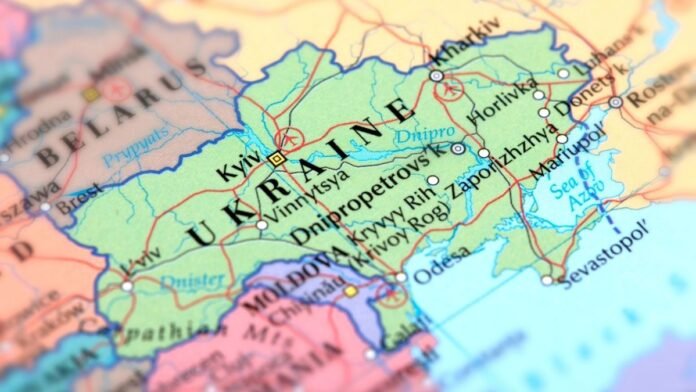

Hungary has taken a surprising stance within the European Union by blocking a key loan package intended for Ukraine — demanding that Russian oil shipments resume as a precondition. This move has heightened tensions within the EU and raised questions about unity on sanctions and support for Kyiv amid the ongoing Russia-Ukraine war.
Budapest’s demands reflect its broader energy-related disputes with Brussels and reluctance to fully embrace sanctions that affect Russian oil, which remains a significant component of Europe’s energy mix.
What’s Happening Now
- Hungary is leveraging its veto power within the EU to tie Ukraine financial support to concessions related to Russian oil flows.
- Slovakia has threatened to cut electricity supplies to Ukraine due to friction over Russian oil shipments, compounding regional discord.
Some EU members see Budapest’s move as undermining the bloc’s collective position, especially in light of the war’s approaching fifth anniversary.
Why This Matters
1. EU Cohesion: Internal divisions weaken the EU’s negotiating leverage and collective foreign policy.
2. Ukraine Financing: Blocking aid impacts Kyiv’s ability to sustain defense and humanitarian operations.
3. Energy Security: Debates over reliance on Russian energy reveal deeper strategic fractures within Europe.
Expert Insight
Political analysts in Brussels suggest that Hungary’s stance is emblematic of divergent interests within the EU — with some members prioritizing energy stability and others pushing for robust sanctions enforcement.
What to Watch Next
- EU negotiation sessions on aid packages
- Reactions from Germany, France and Poland
- Ukraine’s diplomatic outreach to EU capitals
Takeaway:
Hungary’s blockade of a Ukraine loan amid a Russian oil dispute signals increasing complexity within EU foreign policy at a critical juncture in the war.