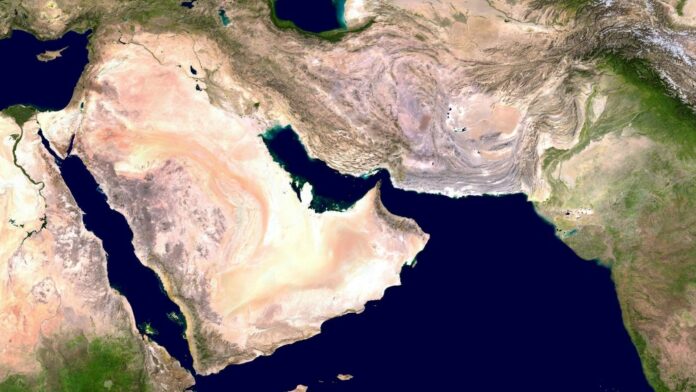

A growing divide among Western and global allies has emerged over a United States proposal to deploy naval forces to secure shipping lanes through the Strait of Hormuz, highlighting the complexity of coordinating international responses to the escalating Middle East crisis.
The proposed operation, aimed at ensuring the safe passage of oil tankers through one of the world’s most critical maritime chokepoints, has drawn mixed reactions from key partners. While Washington has emphasized the importance of maintaining global energy flows, several European and Asian allies have expressed reluctance to participate.
The disagreement underscores broader strategic differences in how countries approach risk, escalation and long-term geopolitical stability.
Strategic Importance of the Strait
The Strait of Hormuz is one of the most important energy transit routes in the world.
Approximately one-fifth of global oil supply passes through the narrow waterway each day, making it essential for global energy markets.
Any disruption to the strait can have immediate consequences for oil prices and economic stability.
The current situation has already led to reduced tanker traffic and increased shipping costs.
Why Allies Are Hesitating
Several countries have cited concerns about joining a military operation in the region.
Key factors include:
- risk of direct confrontation with Iran
- potential escalation of the conflict
- domestic political considerations
- economic exposure to regional instability
European governments have emphasized the importance of diplomatic solutions, while some Asian countries have adopted a cautious approach due to their reliance on energy imports from the region.
Geopolitical Implications
The lack of consensus reflects broader challenges in global alliance coordination.
While the United States is advocating for a proactive security response, other countries are prioritizing risk management and diplomatic engagement.
This divergence could affect future cooperation on global security issues.
Impact on Global Markets
The uncertainty surrounding the Strait of Hormuz is contributing to volatility in energy markets.
Reduced shipping activity and increased risk premiums are pushing oil prices higher.
This, in turn, is affecting global financial markets and economic outlooks.
What Happens Next
The future of the naval plan remains uncertain.
Diplomatic discussions are ongoing, but achieving consensus among allies may prove difficult.
For global markets, the key question is whether shipping routes can be stabilized without triggering further escalation.