
US Treasury Secretary Scott Bessent confirmed that raising tariffs on China is “effectively off the table” following productive discussions with Chinese officials in Malaysia. This announcement comes after a two-day meeting aimed at resolving trade tensions and avoiding further escalation.
Bessent Clarifies Tariff Status
Asked about the status of the November 1 deadline, Bessent told CBS News’ Face the Nation with Margaret Brennanon Sunday that the tariff threat has “gone away” after the Malaysia talks.
“We had a very good two-day meeting. I would believe that the – so it would be an extra 100% from where we are now, and I believe that that is effectively off the table.”
He further added: “I would expect that the threat of the 100% has gone away, as has the threat of the immediate imposition of the Chinese initiating a worldwide export control regime.”
Key Meetings With Chinese Officials
Bessent, alongside Trade Representative Jamieson Greer, met with Chinese Vice Premier He Lifeng and top trade negotiator Li Chenggang on the sidelines of the ASEAN summit in Kuala Lumpur. This marked the fifth round of in-person discussions since May.
“I think we have a very successful framework for the leaders to discuss on Thursday,” Bessent told reporters.
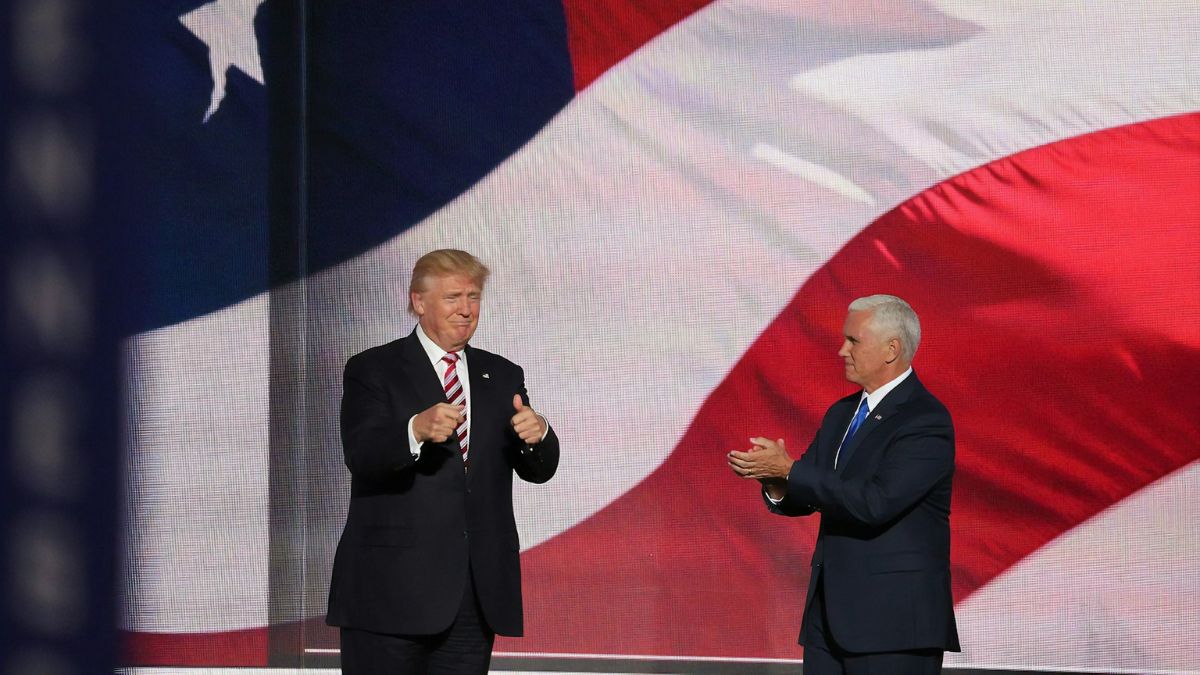
President Donald Trump also arrived in Malaysia for the ASEAN summit, his first stop on a five-day Asia tour, which is set to culminate in a face-to-face meeting with Xi Jinping in South Korea on October 30. Trump struck an optimistic tone after the talks: “I think we’re going to have a deal with China.”
Meanwhile, Li stated that both sides had reached a “preliminary consensus” and will proceed through internal approval processes.
“The US position has been tough,” Li said. “We have experienced very intense consultations and engaged in constructive exchanges in exploring solutions and arrangements to address these concerns.”
Background: Why Trump Threatened 100% Tariffs on China
Earlier this month, President Trump threatened to impose a 100% tariff on Chinese imports starting November 1, citing Beijing’s “extraordinarily aggressive” export restrictions on rare-earth minerals.
China’s government had recently limited foreign access to rare earth minerals, requiring special approvals for exports and restricting technologies used in mining, smelting, and recycling. Any export requests for products with potential military applications would be rejected.
Trump described the move as “shocking” and “out of the blue,” raising tensions between the world’s two largest economies.