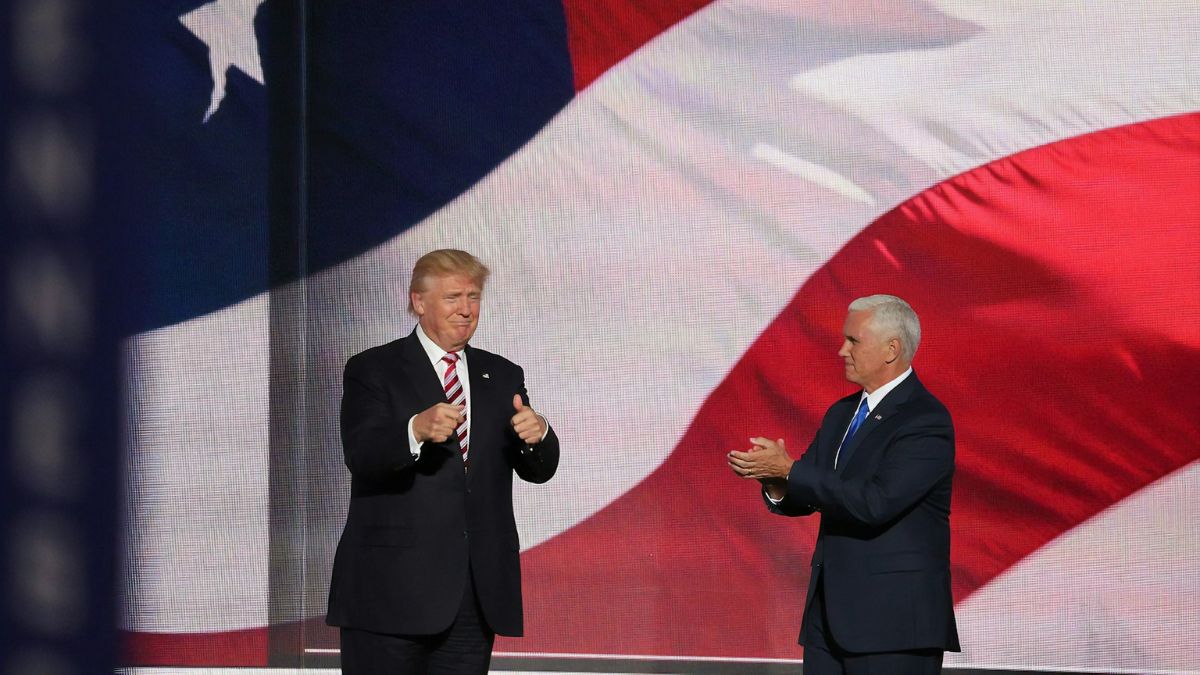
President Donald Trump praised the leaders of the Democratic Republic of Congo (DRC) and Rwanda after the two nations signed a peace pact on Thursday designed to halt years of bloodshed in eastern Congo and open the region’s vast critical mineral reserves to U.S. companies.
Calling it “a great day for Africa, a great day for the world,” Trump said the agreement proves the U.S. is “succeeding where so many others have failed.” The deal gives the former president another opportunity to cast himself as a global deal-maker, reviving his push for the Nobel Peace Prize — an honor he has openly sought.
Trump hosted Presidents Felix Tshisekedi of Congo and Paul Kagame of Rwanda in Washington for the signing ceremony, even as he faced criticism earlier in the week for disparaging Somalia and expressing that he did not want immigrants from the war-torn nation entering the U.S.
Trump-Brokered Deal Builds on Months of Mediation
The White House hailed the agreement as “historic.” It finalizes a framework first signed in June and follows months of diplomatic efforts by the United States, the African Union, and Qatar.
But despite the celebratory tone in Washington, violence continues.
Eastern Congo remains home to more than 100 armed groups, including the Rwanda-backed M23 rebels, who this year captured the major cities of Goma and Bukavu in their largest advance to date. The humanitarian crisis is one of the world’s worst, with millions displaced.
‘We are still at war’
While peace was the theme in Washington, residents in the region reported fresh clashes this week.
“We are still at war,” said Amani Chibalonza Edith, a resident of Goma. “There can be no peace as long as the front lines remain active.”
Analysts say Thursday’s deal is not expected to bring an immediate halt to fighting. A separate ceasefire agreement exists between Congo and M23 — but both sides accuse the other of violating it.
Still, Kagame and Tshisekedi expressed cautious optimism.
Kagame said: “No one was asking President Trump to take up this task… But when he saw the opportunity to contribute to peace, he immediately took it.”
Tshisekedi added: “This is the beginning of a new path… one where peace becomes a turning point, not just a hope.”
What the ‘Washington Accords’ Contain
Trump formally unveiled what he called the “Washington Accords”, which finalize June’s truce terms and outline key goals:
- A permanent ceasefire
- Full disarmament of non-state militias
- Safe return of refugees
- Accountability for war crimes
- Deeper Rwanda–DRC economic integration
- Clear frameworks for U.S. access to critical minerals
Trump joked: “They spent a lot of time killing each other… Now they’re going to spend a lot of time hugging, holding hands, and taking advantage of the United States economically like every other country does.”
Despite the levity, Tshisekedi and Kagame did not shake hands and barely made eye contact during the ceremony.
Minerals at the Heart of the Deal
The region holds one of the world’s richest mineral deposits, including:
- Cobalt (essential for electric vehicle batteries)
- Copper (critical for the energy grid)
- Other rare earth elements vital for fighter jets, electronics, and renewable technologies
Experts estimate Congo’s mineral wealth at over $24 trillion.
Trump announced new bilateral agreements with both countries to unlock U.S. access to these minerals.
“We’ll be sending some of our biggest and greatest U.S. companies over,” he said.
“Everybody’s going to make a lot of money.”
The move is part of Washington’s strategy to bypass China, which controls nearly 70% of global rare earth mining and 90% of processing.
Ongoing Clashes Complicate Peace Efforts
Inside eastern Congo, the situation remains precarious:
- M23 and government troops continue to battle
- Local militias are active across South Kivu
- Aid operations have collapsed following U.S. funding cuts
- Goma’s airport remains closed under rebel control
- Prices for basic goods have surged, and crime rates have risen
Residents remain skeptical.
“We are waiting to see what will happen,” said Moise Bauma, a student in Bukavu. “Both sides continue to clash and attack each other.”
A Conflict Rooted in the 1994 Genocide
The modern crisis stems from fallout after the Rwandan genocide, when nearly 2 million Hutus, including militia members, fled into Congo.
Rwanda accuses DRC of harboring genocidaires; Congo accuses Rwanda of backing M23 rebels.
U.N. experts estimate 3,000–4,000 Rwandan troops operate covertly in the region — a claim Rwanda denies.
Both nations say U.S. involvement is essential to long-term peace.
“We need that attention from the administration,” said Rwandan spokesperson Yolande Makolo. “This is not the end, but it is a good step.”