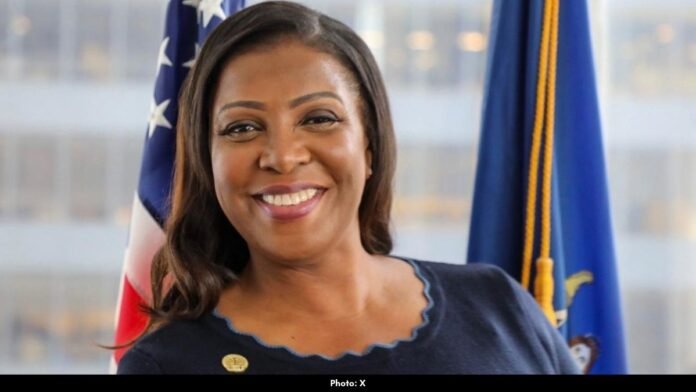

A grand jury has declined for the second time to indict New York Attorney General Letitia James on federal mortgage fraud allegations. The move comes just ten days after a federal judge dismissed the original charges, prompting the Justice Department to quickly resubmit the case to a new grand jury.
According to a CNN report, jurors again reviewed the evidence and chose not to issue an indictment. A source familiar with the matter emphasized that the Justice Department can still bring the case a third time, meaning the investigation is paused — not closed.
Why Did a Judge Dismiss the First Round of Charges?
Federal Judge Cameron McGowan Currie threw out the initial indictments after ruling that Lindsey Halligan’s appointment as interim U.S. attorney was unlawful.
Halligan — a former White House adviser — had signed the indictments against Letitia James and former FBI Director James Comey after taking over from the previous interim U.S. attorney.
But Judge Currie ruled that because Halligan was not legally appointed, “all actions linked to her appointment were invalid.”
The dismissal was without prejudice, meaning prosecutors are permitted to refile the same charges.
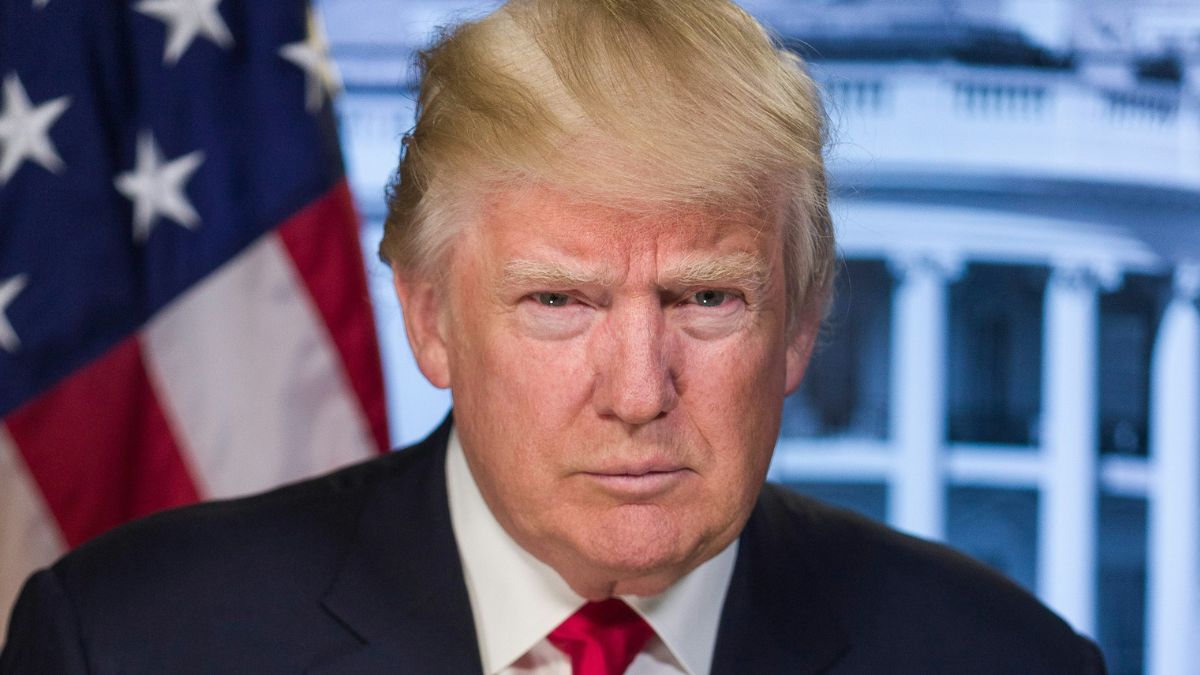
Defense teams for James and Comey argue that the cases amount to selective and vindictive prosecution, pointing to former President Donald Trump’s social media posts calling for them to be prosecuted.
Prosecutors countered that Trump’s comments expressed his opinions but did not influence internal DOJ decisions.
Why Was Halligan’s Appointment Ruled Illegal?
Defense attorneys argued that federal law only allows an interim U.S. attorney to serve 120 days unless:
- The Senate confirms a permanent replacement, or
- District judges approve an extension.
Judge Currie agreed, noting that the legal time limit expired on May 21, 2025 — months before Halligan assumed the position in September.
She wrote that allowing repeated temporary appointments would let administrations bypass Senate confirmation entirely, undermining constitutional checks.
Because Halligan exceeded the lawful service period, the judge ruled she had no authority to sign indictments.
What Happens Next?
While the grand jury has declined to indict twice, the Justice Department is not barred from trying again.
Legal experts say prosecutors must now decide whether:
- The evidence is too weak to proceed, or
- A third grand jury could view the case differently.
For now, Letitia James and James Comey remain unindicted — but the political and legal storm surrounding the case continues.