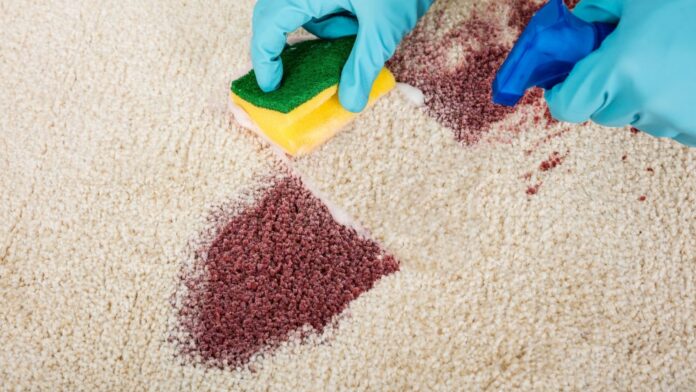

A rogue chocolate truffle hits the carpet, and the clock starts. Within minutes, the cocoa butter seeps in.
Heat sets it, water spreads it, and generic “stain removers” often leave dull patches or oily rings that stay visible months later. The difference lies in sequence and restraint: the right solvent, the correct lift, and zero rubbing.
The following steps will help you pull the chocolate out completely, leaving the pile soft and unmarked.
Act Quickly
The sooner chocolate is dealt with, the easier it will come out. Waiting even an hour gives it time to work deeper into the pile, especially if the carpet has been walked on.
Gather what is needed before starting. A basic kit should have a blunt knife or spoon, clean white cloths, mild washing-up liquid, cold water, and paper towels. Having everything within reach keeps the process smooth and prevents unnecessary delays.
It can be useful to keep this cleaning kit somewhere accessible for moments like this. When chocolate hits the floor, fumbling through cupboards wastes valuable time.
Scrape Off the Excess
Start by removing as much loose chocolate as possible. Use a spoon or butter knife—something blunt that will not damage the carpet fibres.
Lift the chocolate gently rather than pushing down. Pressing it further into the weave only makes the next steps harder. Work slowly and methodically, scraping from the outside edges toward the centre to avoid spreading it.
If the chocolate is particularly soft or melted, placing an ice pack on it for a few minutes can help it firm up. Solid chocolate scrapes away much more cleanly than the gooey stuff.
Check the tool being used—no sharp edges. The goal is to remove chocolate, not to fray the carpet.
Blot, Don’t Rub
Once the bulk of the chocolate is gone, turn your attention to the stain left behind.
Take a clean, white cloth and press it gently onto the mark. Avoid any scrubbing or circular motions—these just push chocolate particles deeper and spread the stain outward.
Work from the outer edges toward the middle, applying light, steady pressure. This contains the stain and prevents it from creeping onto clean carpet. Rotate to a fresh section of cloth regularly so that lifted chocolate is not transferred back onto the carpet.
This step takes time. Chocolate stains do not lift in one go, and rushing tends to make things worse. Keep blotting until no more colour transfers onto the cloth.
Make a DIY Cleaning Solution
A simple homemade cleaner works well for most chocolate stains. Mix about one teaspoon of mild washing-up liquid with two cups of lukewarm water. The solution should be sudsy but not overly foamy—too much soap leaves a residue that attracts dirt later.
Before applying the DIY solution to the stain itself, test it on a hidden area of carpet—under furniture or in a corner. Wait a few minutes to check for any discolouration or texture changes. Different carpets react differently to cleaners, and it is better to know beforehand.
Dip a clean white cloth into the mixture, wring it out so it is damp rather than dripping, and dab it onto the stain. Work in small sections to avoid oversaturating the carpet.
If the stain is particularly stubborn, it may take several applications, so keep a bit of extra solution on hand.
Rinse with Cold Water
After treating the stain, rinsing out the cleaning solution is essential. Soap left in carpet fibres attracts dirt and can leave the area looking grimy within days.
Use a spray bottle or a cloth dampened with cold water to rinse the treated area. Blot up the moisture with a fresh, dry cloth. Repeat this process until the cloth comes away clean with no brown tinge and no soapy residue.
Press down firmly with dry towels between rinses to pull out as much moisture as possible. Placing a stack of paper towels over the damp area and weighing them down with something heavy—a few books, for instance—helps draw out deeper moisture.
Good ventilation speeds up drying and prevents any musty smells from developing. When you’re done, open a window or point a fan toward the area.
Try a Commercial Cleaner if Needed
Homemade solutions handle most chocolate stains, but occasionally something stronger is required. Carpet stain removers formulated for food stains can be more effective on set-in marks or particularly oily chocolate.
Look for products that specifically mention chocolate or oil-based stains on the label—they tend to have the right formulation.
Read the instructions carefully before using any commercial product. Different carpets require different treatments, and what works on synthetic fibres might damage wool.
Next, test the cleaner on an inconspicuous spot, and wait around 24 hours to check for adverse reactions.
For large or deeply set stains, a carpet cleaning machine offers more thorough results. It extracts moisture more effectively than blotting alone, and it can reach deeper into the pile.
Absorb Remaining Moisture
Once the stain has been treated and rinsed, drying the area properly prevents water marks and musty odours.
Sprinkle a generous layer of baking soda, cornstarch, or talcum powder over the damp area, extending slightly beyond where the stain was. Leave it for several hours—overnight is even better. The powder draws out lingering moisture and lifts any remaining residue.
Some people find success layering baking soda first, then cornstarch on top. After the waiting period, vacuum thoroughly, making several passes from different directions.
This method not only speeds up drying but also helps keep the carpet smelling fresh.
Avoid Using Hot Water for Chocolate Stains
Hot or even warm water is the enemy when dealing with chocolate stains. Heat melts chocolate and causes it to bind with carpet fibres, turning a manageable stain into a permanent mark.
Stick to cold water throughout the entire process. Cold water helps solidify any remaining chocolate, making it easier to lift out.
For particularly thick or deep-pile carpets, placing ice cubes in a plastic bag over the stain can help freeze it before scraping. This works especially well with chocolate that contains nuts or other chunky ingredients—solid chocolate is far easier to remove without spreading.
The only exception to the no-heat rule is professional steam carpet cleaning, which uses controlled heat and extraction equipment that home methods cannot replicate.
Conclusion
The last trace vanishes, the carpet breathes evenly again, and the room feels whole. You’ve sidestepped the usual aftermath. There is no ghost stain, no stiff spot, and no faint cocoa scent months from now.
Keep those tools handy. Chocolate finds its way to the floor more often than we admit. Next time it happens, you’ll handle it swiftly and walk away with nothing to remind you except the empty wrapper.