Finding a foundation that provides good coverage without making your skin feel congested can be difficult, especially if you’re prone to breakouts.
Foundation can help even out your complexion, cover redness and reduce the appearance of blemishes, but the wrong formula may feel heavy, irritating or contribute to additional breakouts.
That’s why non-comedogenic foundation has become a popular choice for people with acne-prone or oily skin.
But there’s an important distinction: “non-comedogenic” doesn’t mean that a foundation is guaranteed to work for everyone. Skin reacts differently to cosmetic formulations, and a product that works well for one person may cause irritation or breakouts for another.
The American Academy of Dermatology recommends that people with acne-prone skin look for makeup labeled oil-free, non-comedogenic or “won’t clog pores.”
In this guide, we’ll explain what non-comedogenic foundation actually means, what to look for when buying one, how to choose a formula for your skin type and how to use foundation without unnecessarily irritating acne-prone skin.
Quick Answer: What Is the Best Non-Comedogenic Foundation?
The best non-comedogenic foundation depends on your skin type, desired coverage and preferred finish.
For acne-prone skin, start by looking for a foundation that is clearly labeled non-comedogenic, oil-free or “won’t clog pores.” Lightweight formulas can also be preferable if you dislike a heavy feeling on the skin.
Then consider:
- Your skin type
- Coverage level
- Finish
- Foundation texture
- Wear time
- Fragrance and potential irritants
- Shade range
- Ease of removal
Most importantly, don’t assume that one ingredient automatically makes an entire foundation “comedogenic.” The finished formulation matters.

What Does Non-Comedogenic Mean?
The word non-comedogenic generally means that a product is formulated to be less likely to clog pores. A clogged pore can contribute to certain types of acne, including blackheads and whiteheads. However, “non-comedogenic” should not be interpreted as a guarantee that a product will never cause a breakout.
Everyone’s skin is different, and acne can have multiple causes. The American Academy of Dermatology recommends non-comedogenic makeup for people with acne because these products are less likely to contribute to breakouts.
Can You Wear Foundation If You Have Acne?
Yes. Having acne doesn’t mean you have to stop wearing makeup.
The AAD notes that people with acne can wear makeup as long as they choose products carefully and maintain an appropriate skincare routine.
The key is to avoid creating a cycle where makeup contributes to clogged pores or irritation.
A good approach is to:
- Choose non-comedogenic makeup.
- Apply it gently.
- Keep makeup tools clean.
- Avoid sharing makeup or brushes.
- Remove makeup before going to bed.
- Continue using an appropriate acne-treatment routine if you have one.
Does Non-Comedogenic Makeup Better For Skin?

If you have acne-prone skin like me then you must have heard about non-comedogenic foundations. But remember there is not any regulated or approved standard for non-comedogenic makeup anywhere worldwide.
This means you need to check out reviews to find out whether products are effective or whether they actually clog the pores before buying.
Here are some tips while selecting the best non-comedogenic foundation,
- Stay away from thicker products as it is more likely to clog your pores and cause acne.
- If a product claims to be “oil-free” then stay away from it as it may result in the skin feeling or looking greasy even if there are no traditional oils in the list of ingredients.
- Go with products that are lightweight and contain none of the ingredients that are known to exacerbate problematic skin. For more ingredients look at the list below.
Non-Comedogenic Foundation: Ingredients To Avoid
If you are going for the best non-comedogenic foundation then the first thing you should check in a foundation is the comedogenic ingredients. These ingredients clog up the pores to cause breakouts, so avoiding any ingredients which could irritate or clog the skin is the only way to clear acne and prevent further outbreaks from occurring.
While selecting a foundation for your acne-prone skin in either liquid or powder formulations, check for the ingredients listed below:
- Algae
- Avocado oil
- Beeswax
- Bismuth oxychloride
- Caprylic triglycerides
- Cetearyl alcohol
- Coconut butter
- Cocoa butter
- Coconut oil
- Olive oil
- Plankton extract
- Wheatgerm oil
- Sulfated jojoba oil
- Sea butter
- Seaweed or kelp
- Sulfated castor oil
- Sodium chloride
- Lauroyl Lysine
- Silicones
Here are some ingredients that absorb oil and therefore cause dryness:
- Boron Nitride
- Cornstarch
- Talc
- Silica
- Kaolin
- Nanoparticles
In general, you should avoid thick products and products which contain heavy fragrances or which contain alcohol.
Best Non-Comedogenic Foundations
We’ve retained the existing LoudFact affiliate products below, but the products should be evaluated according to their current formulation, manufacturer claims, finish, coverage, skin-type suitability and user experience rather than assuming that every product works for every acne-prone user.
1. Organic Aloe-Based Liquid Foundation

Perfect your complexion with beautiful, healthy coverage with this Organic, Vegan, and Natural liquid foundation makeup. The advanced botanical anti-aging formula blots excess oil and balances dry spots while restoring skin to a healthy youthful glow.
Nourishing ingredients smooth out fine lines and leaves skin naturally gorgeous, never greasy. Made in the USA with exactly ZERO harsh chemicals, preservatives, parabens, or pore-clogging ingredients.
Best For: Lightweight everyday coverage and users who prefer a botanical-style formula
LoudFact Review: Love this foundation. Great for older skin as it just glides on.
2. Flawless Serum Foundation
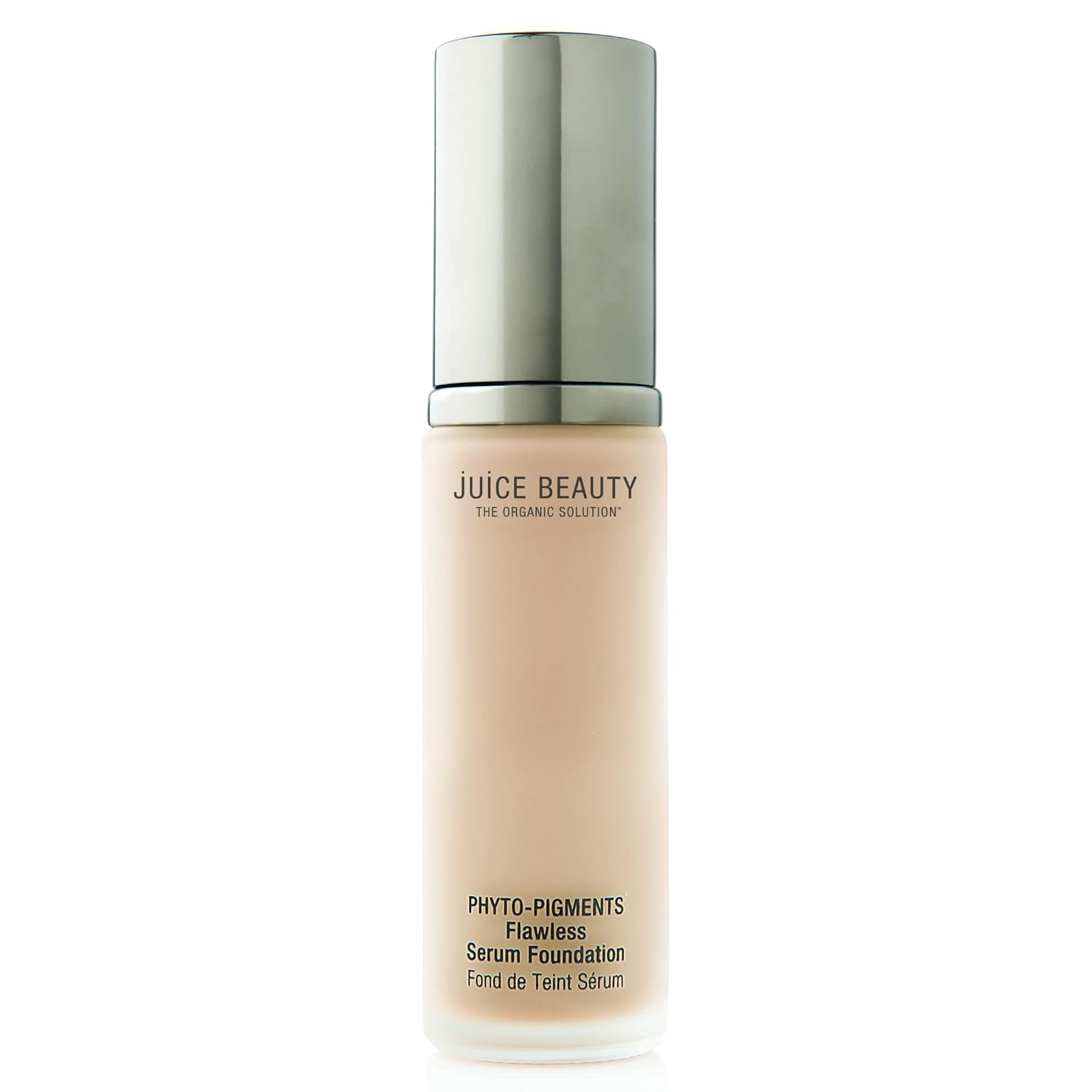
This product combines the benefits of a skin-perfecting serum and a foundation in one. It not only provides coverage but also works to improve the overall condition of your skin.
The foundation is enriched with concentrated plant-derived Phyto-Pigments, which are natural pigments derived from plants. These ingredients provide vibrant, long-lasting color while nourishing and protecting your skin.
The foundation is buildable, allowing you to achieve a full coverage flawless finish. Whether you prefer a natural look or want to create a more polished appearance, this product can adapt to your desired level of coverage.
Best For: Buildable coverage with a lighter serum-style feel
LoudFact Review: This makeup is light weight, has great coverage, and it stays on all day.
3. Ageless Liquid Foundation

Give your skin that youthful glow with Covergirl & Olay Simply Ageless 3-in-1 Liquid Foundation. This anti-aging foundation plumps up skin to instantly reduce the appearance of wrinkles for a younger-looking complexion.
Skin tone looks more even and other imperfections are blurred, while hyaluronic complex and vitamin C deliver firming hydration to keep your skin looking healthy and radiant.
Best For: Mature skin and users looking for a more hydrating finish
LoudFact Review: Even though it is small, it really packs a punch and you only need to use a pump or two each time.
4. Acne Solutions Liquid Makeup

Clinique is well known worldwide for its high-quality products, and their Acne Solutions Liquid Makeup certainly won’t disappoint.
Apply this best non-comedogenic foundation after using your Acne Solutions Clear Skin System or 3-Step Skin Care. This liquid makeup is entirely gluten-free, cruelty-free and 100% vegan, so everyone can benefit from its excellent properties.
Designed to meet the needs of those who suffer from acne-prone skin, this Clinique anti-aging advanced formula will not only leave your skin looking flawless, healthy, and youthful, it also won’t clog your pores.
Best For: Acne-prone skin and lightweight everyday coverage
LoudFact Review: The foundation feels weightless, smooth and lasts all day.
5. Clear Complexion Dermatologist Tested Foundation

This lightweight liquid foundation with salicylic acid manages to conceal blemishes, control shine, minimize pores, and suppress acne flare-ups, all without suffocating your skin.
The soft matte finish foundation disguises blemishes—not the texture of your skin—and allows you to build makeup coverage without caking.
With an added maximum-strength dose of salicylic acid (a powerful blemish fighter beloved by dermatologists), this can treat current breakouts and help stop future ones.
The perfect foundation for acne-prone, oily, and combination skin types. And everyone else gets breakouts.
Best For: Oily and acne-prone skin looking for a more matte finish
LoudFact Review: If you have acne-prone skin, this is the product for you. If you have a breakout, it genuinely helps, and your skin will thank you.
6. Luminous Liquid Foundation

This lightweight liquid mineral formula provides incredible coverage to help erase imperfections and enhance radiance. It is formulated with light-diffusing Diamond Powder and moisturizing agents to deliver a flawless, youthful complexion.
Further, it comes with antioxidant protection i.e; Luminous Liquid Foundation SPF 18, as well as all of Glo Skin Beauty makeup bases, which contain a proprietary blend of Vitamins A, C, E, and Green Tea Extract for nourishing protection.
Best For: Luminous coverage and users who prefer a radiant finish
LoudFact Review: It’s an excellent foundation choice for aging skin. Works perfectly on larger pores.
How to Choose a Non-Comedogenic Foundation
1. Look for the Right Label
When shopping for foundation, look for terms such as:
- Non-comedogenic
- Oil-free
- Won’t clog pores
These labels can help narrow your choices if you’re prone to acne. But don’t stop there.
Consider the complete formula, your skin type and how your skin responds after repeated use.
Choose Foundation Based on Your Skin Type
Oily Skin
If your skin becomes shiny quickly, consider:
- Lightweight liquid formulas
- Oil-free formulations
- Soft-matte finishes
- Buildable coverage
- Long-wearing formulas
Avoid choosing an extremely drying formula simply because you have oily skin.
Overly aggressive skincare can irritate the skin, and dermatologists recommend gentle skincare for acne-prone skin.
Dry Skin
If your skin is dry or flaky, look for:
- Hydrating formulas
- Natural or satin finishes
- Lightweight moisturizing ingredients
- Flexible coverage
A very matte foundation may emphasize dry patches.
Combination Skin
Combination skin may benefit from a foundation that balances coverage without becoming excessively matte or overly dewy.
You can also use different amounts of primer or powder in different areas of the face.
Sensitive Skin
If your skin is easily irritated, keep the rest of your routine simple when introducing a new foundation.
Consider:
- Fragrance-free options
- Minimal unnecessary irritants
- Gentle application
- Patch testing when appropriate
If a product consistently causes burning, itching or irritation, discontinue it.
Choose the Right Foundation Finish
Matte
A matte foundation reduces the appearance of shine and can work well for oily skin.
Best for:
- Oily skin
- Combination skin
- Shine control
- Long-wear makeup
Satin
Satin finishes sit between matte and dewy.
Best for:
- Combination skin
- Normal skin
- Everyday makeup
- A natural-looking complexion
Dewy or Luminous
Dewy foundations create a more radiant appearance.
Best for:
- Dry skin
- Mature skin
- Dull-looking skin
- People who prefer a glowing finish
How Much Coverage Do You Need?
Light Coverage
Light coverage lets more of your natural skin show through. It may be suitable if you want to even out skin tone without completely covering freckles or minor blemishes.
Medium Coverage
Medium coverage provides more concealment while still allowing a relatively natural appearance. It’s a useful middle ground for everyday makeup.
Full Coverage
Full-coverage foundations are designed to conceal more visible discoloration and blemishes. However, heavier coverage doesn’t necessarily mean a better foundation. If you have acne-prone skin, applying multiple thick layers may feel uncomfortable and can make the makeup look cakey.
Liquid vs. Powder Foundation
Liquid Foundation
Liquid formulas offer a wide range of finishes and coverage levels.
They can be:
- Matte
- Satin
- Natural
- Dewy
- Buildable
They’re often the most versatile choice.
Powder Foundation
Powder foundation can be useful for people who prefer a lightweight feel and easier shine control. It can also be convenient for touch-ups during the day. However, powder can emphasize dry or flaky areas.
Ingredients: What Should You Actually Avoid?
This is where many online foundation guides become misleading. There is no reliable universal list of ingredients that every person with acne must avoid.
The existing version of this article lists substances such as silicones, coconut oil, beeswax, algae and several other ingredients as if they automatically clog pores. That approach is too simplistic.
Instead:
Check the Product’s Claims
Look for:
- Non-comedogenic
- Oil-free
- Won’t clog pores
Check Your Own Skin Response
If a particular product repeatedly causes breakouts or irritation, stop using it and reassess the formula.
Avoid Known Irritants for Your Skin
If you already know that fragrance, alcohol or another ingredient irritates your skin, choose a different formulation.
Don’t Assume “Natural” Means Better
Natural ingredients can still irritate some people’s skin. Likewise, synthetic ingredients aren’t automatically bad for acne-prone skin. The complete formulation matters.
Can Salicylic Acid in Foundation Help Acne?
Salicylic acid is a beta hydroxy acid that can help unclog pores and exfoliate the skin. The AAD lists salicylic acid among established topical acne-care ingredients. Some foundations therefore include salicylic acid as part of their formulation.
However, don’t assume that wearing a salicylic-acid foundation provides the same acne treatment as a dedicated acne product. The concentration, contact time and formulation are different.
If you have persistent acne, choose an evidence-based acne treatment rather than relying on makeup alone.
How to Apply Foundation to Acne-Prone Skin
The way you apply foundation matters almost as much as the formula.
Step 1: Start With Clean Skin
Use a gentle cleanser rather than aggressively scrubbing your face. Dermatologists recommend gentle cleansing and avoiding abrasive techniques because irritation can worsen acne.
Step 2: Use Your Regular Skincare
Apply your normal moisturizer or acne-treatment routine as appropriate. If your acne treatment makes your skin dry, moisturizer can help improve tolerance.
Step 3: Apply Foundation Gently
Use a clean sponge, brush or clean fingertips. Avoid aggressively rubbing the skin.
Step 4: Build Coverage Gradually
Start with a thin layer. Add more product only where you need additional coverage. This can create a more natural appearance while avoiding unnecessary buildup.
Step 5: Clean Your Makeup Tools
Wash brushes and reusable applicators regularly. The AAD specifically recommends cleaning makeup brushes weekly and not sharing makeup or applicators.
Should You Remove Foundation Before Sleeping?
Yes. Don’t sleep with foundation on your face. The AAD recommends removing makeup before going to bed and following with gentle cleansing. A simple nighttime routine is generally preferable to leaving makeup on overnight.
Can Foundation Cause Acne?
It can contribute to acne in some people. The AAD notes that some makeup products can worsen acne or contribute to acne cosmetica, which is why choosing products labeled non-comedogenic, oil-free or “won’t clog pores” is recommended for acne-prone skin.
However, foundation isn’t necessarily the only cause of a breakout. Acne can have multiple causes, and persistent breakouts may require evaluation by a dermatologist.
Foundation vs. Concealer for Acne
You don’t necessarily need a full-coverage foundation to hide every blemish.
A useful approach is:
Light or medium foundation + targeted concealer
This lets you maintain lighter coverage across the face while adding more coverage only where needed. It can also help prevent the makeup from looking excessively thick.
Common Mistakes When Buying Foundation for Acne-Prone Skin
Choosing Only by “Oil-Free”
Oil-free does not automatically mean that a foundation will work for every acne-prone person. Consider the complete formula and finish.
Assuming Every Ingredient on a “Comedogenic List” Is Bad
Ingredient lists circulating online often oversimplify how cosmetic formulations work. Don’t automatically reject a foundation because it contains one ingredient from an internet “comedogenic list.”
Using Too Much Foundation
More coverage isn’t always better. Build coverage gradually.
Sleeping in Makeup
Remove foundation before bed.
Dirty Brushes
Dirty makeup tools can accumulate oil, makeup residue and other debris. Clean them regularly.
Sharing Makeup
Don’t share foundation, brushes or applicators.
Changing Products Too Quickly
If you’re constantly switching products, it becomes difficult to determine what is helping or irritating your skin.
How to Test a New Foundation
Before committing to a new foundation, introduce it carefully.
Start Slowly
Use the product for a few applications rather than immediately changing your entire makeup routine.
Monitor Your Skin
Pay attention to:
- New clogged pores
- Redness
- Burning
- Itching
- Excessive dryness
- New breakouts
Stop If Your Skin Reacts
If a product causes a significant reaction, discontinue use.
If you’re experiencing persistent or severe acne, consult a dermatologist rather than continuing to experiment with makeup products.
Frequently Asked Questions
There isn’t one foundation that is best for everyone. Start with a product labeled non-comedogenic or “won’t clog pores,” then choose the formula based on your skin type, coverage preference and desired finish.
It can be a better choice because it is designed to be less likely to clog pores. However, non-comedogenic does not guarantee that a product will never cause a breakout.
No. The terms describe different product characteristics. A product can be non-comedogenic without necessarily being completely oil-free.
Yes. Dermatologists say people with acne can wear makeup. The important factors are choosing suitable products, applying them gently and removing makeup before bed.
Not automatically. Mineral foundations can work well for some people, but the complete formula and your individual skin response matter more than the “mineral” label alone.
Neither is universally better. Liquid foundation provides more options for coverage and finish, while powder can be useful for lightweight coverage and shine control.
Salicylic acid is an established acne-care ingredient, but a foundation containing salicylic acid shouldn’t automatically be considered a substitute for a dedicated acne treatment.
Choose non-comedogenic makeup, apply it gently, keep brushes clean and remove makeup before bed. Continue an appropriate acne-care routine if you have one.
If your skin is dry, moisturizer can be useful. Dermatologists note that moisturizing can help people tolerate certain acne treatments that cause dryness and irritation.
Final Thoughts
The best non-comedogenic foundation isn’t necessarily the foundation with the longest ingredient list, the highest price or the heaviest coverage.
For acne-prone skin, start with the basics: look for non-comedogenic, oil-free or “won’t clog pores” labeling, then choose a texture and finish that match your skin type.
If you have oily skin, a lightweight or soft-matte formula may be comfortable. If your skin is dry, a more flexible or hydrating finish may work better. If you want to conceal blemishes without making your makeup look heavy, medium coverage with targeted concealer can be a practical approach.
Most importantly, remember that foundation is makeup—not a substitute for acne treatment. If you have persistent, painful or scarring acne, a dermatologist can help identify the cause and recommend an appropriate treatment plan.
And whatever foundation you choose, remove it before going to bed, clean your makeup tools regularly and avoid products that repeatedly irritate your skin.
Affiliate Disclosure
Disclosure: Some links in this article are affiliate links. If you purchase a product through one of these links, LoudFact may receive a commission at no additional cost to you. Our editorial recommendations are intended to remain independent of affiliate compensation.