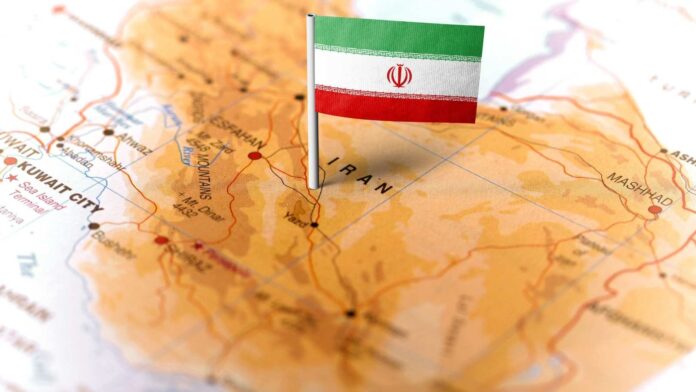

The conflict in the Middle East has entered a more dangerous phase, with the United States and Iran now openly threatening to target each other’s energy and critical infrastructure — a shift that significantly raises the risk of widespread disruption to global oil supply and trade routes.
Within the past few hours, tensions escalated after Washington issued an ultimatum demanding the reopening of the Strait of Hormuz, warning that failure to comply could result in direct strikes on Iran’s power infrastructure. Tehran responded with its own warning, stating it would retaliate by targeting U.S. and allied energy facilities across the Gulf.
This exchange marks a turning point. The conflict is no longer limited to military targets — it is now directly focused on the systems that power the global economy.
A Shift Toward Infrastructure Warfare
Historically, conflicts in the region have often avoided large-scale attacks on energy infrastructure due to the global consequences.
That restraint is now weakening.
The latest threats explicitly include:
- power plants
- oil terminals
- refineries
- desalination facilities
These are not just strategic assets — they are essential to daily life and economic stability.
Targeting them introduces a new level of risk, both regionally and globally.
Why Energy Infrastructure Matters
Energy infrastructure is central to modern economies.
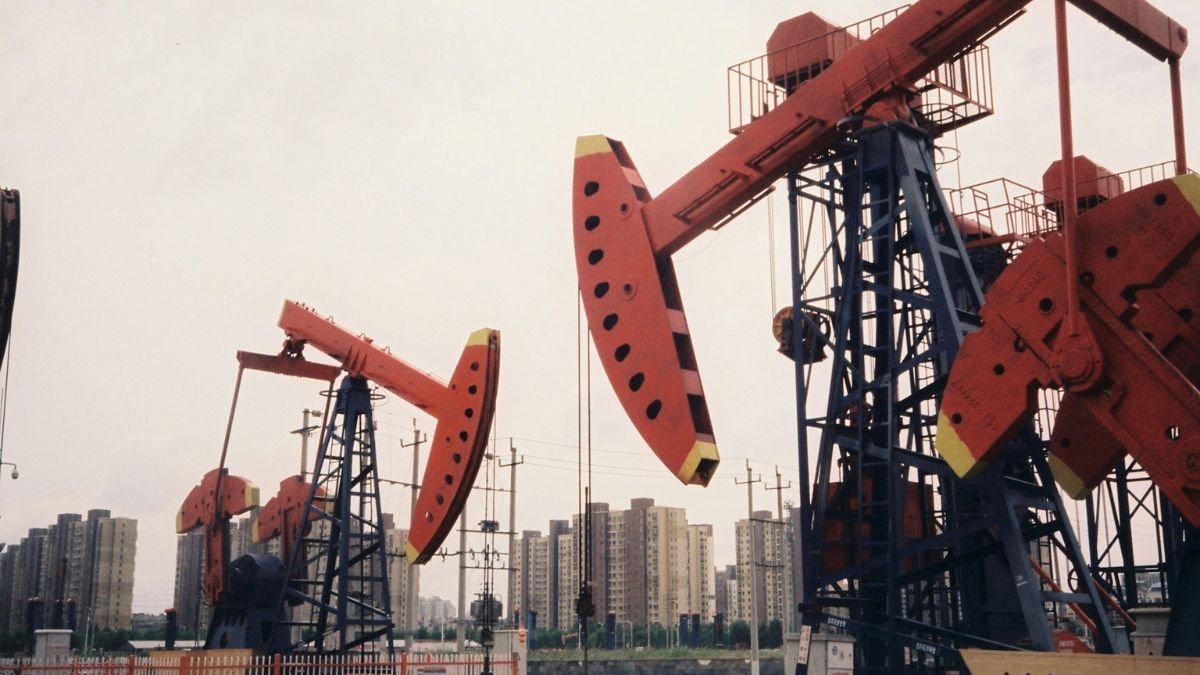
Oil and gas production, processing and transport systems are interconnected networks that rely on stability.
Disruption in one part of the system can quickly cascade across the entire network.
The Strait of Hormuz, in particular, is critical.
Roughly 20% of global oil supply moves through this narrow passage, making it one of the most important chokepoints in the world.
Recent developments suggest that shipping through the strait has been significantly reduced, effectively tightening global supply.
Escalation Risks Multiply
The targeting of infrastructure increases the likelihood of escalation in several ways.
First, it raises the stakes for both sides, making de-escalation more difficult.
Second, it expands the range of potential targets, increasing the risk of miscalculation.
Third, it draws in additional actors, as regional countries move to protect their own energy assets.
Reports indicate that Gulf states have already intercepted missiles and drones, reflecting growing concern about the spread of the conflict.
Impact on Global Energy Supply
The immediate impact is already visible in energy markets.
Oil prices have surged to multi-year highs as traders factor in the risk of prolonged disruption.
Even without direct damage to infrastructure, the perception of risk is enough to affect supply.
Shipping companies are rerouting vessels, insurers are increasing premiums and some producers are reducing output.
These factors combine to create a tighter market.
Trade Routes Under Pressure
Energy is not the only system affected.
Global trade routes are also under strain.
The Strait of Hormuz is not only a major energy corridor but also a key shipping route for global trade.
Disruptions in this area can affect:
- container shipping
- bulk commodities
- industrial supply chains
This creates a ripple effect across the global economy.
Economic Implications
The economic impact of infrastructure targeting extends beyond energy markets.
Higher oil prices contribute to inflation, while disruptions to trade routes affect supply chains and production.
This combination can slow economic growth and increase uncertainty.
Emerging markets are particularly vulnerable, as they often rely heavily on imported energy.
Humanitarian Concerns
Beyond economic considerations, the targeting of infrastructure has humanitarian implications.
Desalination plants, for example, provide fresh water in many Gulf countries.
Damage to these facilities could create immediate shortages, affecting millions of people.
This adds another layer of complexity to the crisis.
What Happens Next
The situation remains highly volatile.
If threats are carried out, the impact could be severe and long-lasting.
Even limited strikes on infrastructure could disrupt supply for months.
At the same time, diplomatic efforts are ongoing, with international actors calling for de-escalation.
However, the window for preventing further escalation may be narrowing.
Conclusion
The conflict has entered a new phase where energy infrastructure is no longer off-limits.
This shift significantly increases the stakes, transforming a regional war into a global economic risk.
As tensions continue to rise, the stability of the global energy system — and the broader economy — is increasingly uncertain.