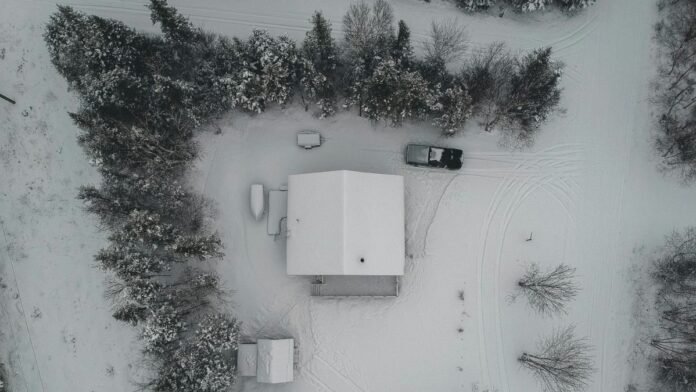

A powerful winter storm influenced by the polar vortex is impacting large portions of the United States, bringing heavy snowfall, ice accumulation, and dangerously low wind chills as it moves eastward.
The system first intensified over the Rocky Mountains and is now spreading across the central U.S., with significant impacts expected in parts of the South before reaching the East Coast by Saturday.
How the Storm Is Developing
Meteorologists say the storm is being strengthened by a dip in the polar vortex, allowing frigid Arctic air to surge southward. This interaction is producing a wide range of hazardous conditions, including blizzard-like snowfall in some regions and ice storms in others.
Strong winds are also contributing to extreme wind chills, increasing the risk of frostbite and hypothermia.
Regions at Risk
- Rockies and Plains: Heavy snow, reduced visibility, and blowing snow
- Southern States: Ice accumulation, slick roads, and power outage risks
- Midwest: Bitter cold and dangerous wind chills
- East Coast: Snow and mixed precipitation expected as the storm arrives
Forecast models indicate the storm’s impacts will vary by region but could disrupt travel nationwide.
Safety and Travel Concerns
Transportation officials are urging motorists to avoid unnecessary travel during the storm. Airlines are monitoring conditions closely, and delays or cancellations are possible as the system advances.
Emergency managers recommend preparing for power outages, stocking winter supplies, and checking on vulnerable populations during periods of extreme cold.
Why the Polar Vortex Matters
The polar vortex is a large area of low pressure and cold air that typically remains near the Arctic. When it weakens or shifts, it can allow frigid air to plunge south, contributing to severe winter weather across the U.S.
What Comes Next
Forecasters will continue refining predictions as the storm moves east. Residents in affected areas are advised to monitor local alerts and heed guidance from weather and emergency officials as conditions evolve.